
Blood Pressure, Cholesterol, Blood Sugar: Understanding the Core Metabolic Screenings

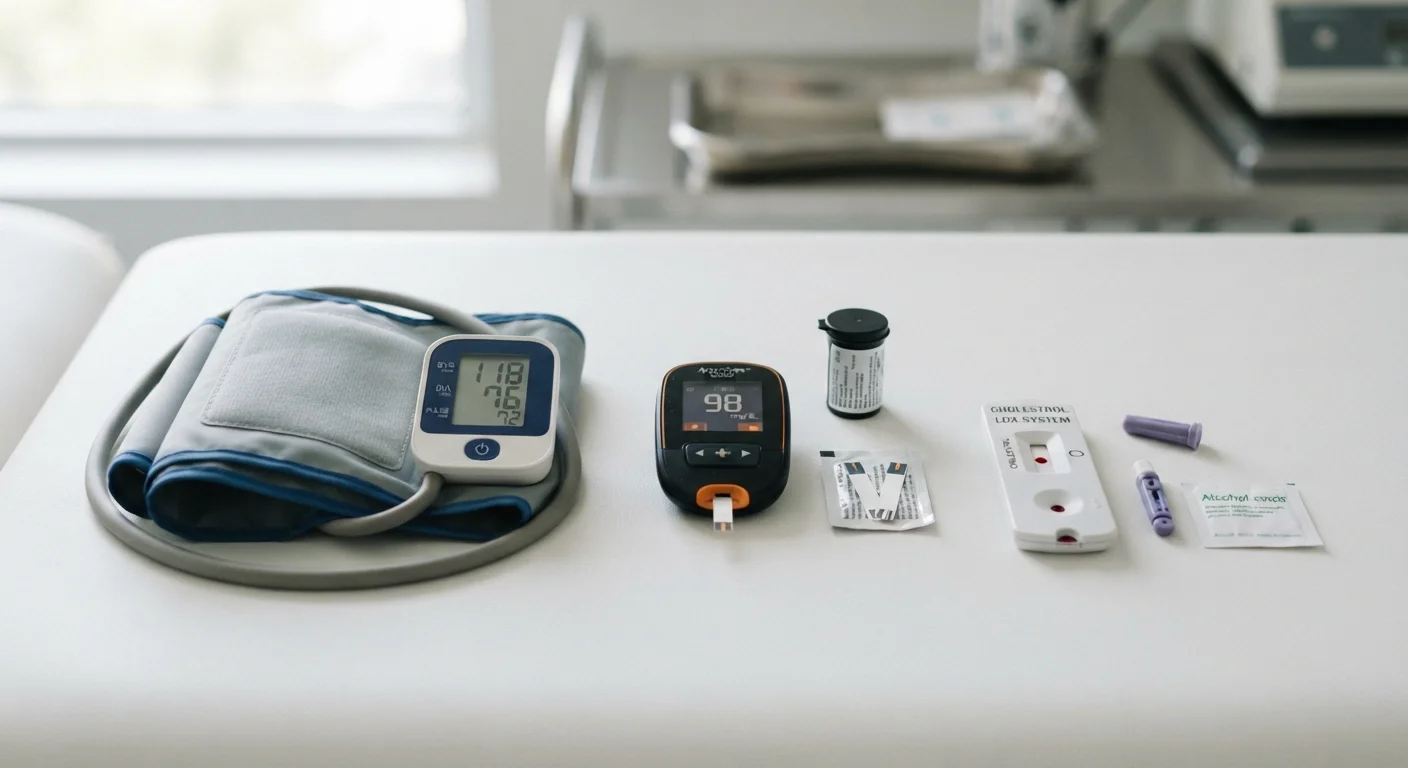
| Screenings Covered | Blood pressure, cholesterol (lipid panel), blood sugar (glucose/A1c) |
| Blood Pressure Screening Start | Routine checks from childhood; at least annually for adults 40+ (USPSTF) |
| Cholesterol Screening Start | Age 35 for men, 45 for women; earlier with risk factors (USPSTF general guidance) |
| Blood Sugar Screening Start | Age 35–70 for overweight/obesity; earlier if risk factors present (USPSTF) |
| Normal Blood Pressure | Less than 120/80 mmHg (ACC/AHA 2017 Guidelines) |
| Prediabetes A1c Range | 5.7%–6.4% (American Diabetes Association) |
Why These Three Screenings Matter
Blood pressure, cholesterol, and blood sugar occupy the center of nearly every preventive care checklist — and for good reason. Each one quietly signals how well your cardiovascular and metabolic systems are functioning, often before any symptoms appear. Left undetected, abnormal levels in all three are directly linked to heart disease, stroke, kidney damage, and type 2 diabetes.
Because these conditions develop gradually, routine screening is the primary tool clinicians use to catch risk early. The foundational guide to preventive screenings explains the broader framework — but this reference focuses specifically on what each measurement tests, how results are categorized, and when screening typically begins.
| Screenings Covered | Blood pressure, cholesterol (lipid panel), blood sugar (glucose/A1c) |
| Blood Pressure Screening Start | Routine checks from childhood; at least annually for adults 40+ (USPSTF) |
| Cholesterol Screening Start | Age 35 for men, 45 for women; earlier with risk factors (USPSTF general guidance) |
| Blood Sugar Screening Start | Age 35–70 for overweight/obesity; earlier if risk factors present (USPSTF) |
| Normal Blood Pressure | Less than 120/80 mmHg (ACC/AHA 2017 Guidelines) |
| Prediabetes A1c Range | 5.7%–6.4% (American Diabetes Association) |
Blood Pressure: The Silent Signal
What it measures: Blood pressure captures the force your blood exerts against artery walls, expressed as two numbers — systolic pressure (when the heart beats) over diastolic pressure (between beats), measured in millimeters of mercury (mmHg).
Standard categories (per ACC/AHA guidelines):
- Normal: Less than 120/80 mmHg
- Elevated: 120–129 systolic / less than 80 diastolic
- Stage 1 Hypertension: 130–139 / 80–89 mmHg
- Stage 2 Hypertension: 140/90 mmHg or higher
When screening starts: Blood pressure checks are recommended at every routine healthcare visit beginning in childhood. For most healthy adults, the U.S. Preventive Services Task Force (USPSTF) recommends screening at least every year for those 40 and older, or for younger adults with risk factors. Those with normal readings and no elevated risk may screen less frequently — your clinician determines the appropriate interval.
Adults in their 20s and 30s should also have blood pressure checked regularly. See the health checkup roadmap for your 20s and the screening guide for your 30s for age-specific context.
Cholesterol: More Than One Number
What it measures: A lipid panel (also called a lipid profile) measures several fats circulating in the bloodstream. The key values are total cholesterol, LDL (often called "bad" cholesterol), HDL ("good" cholesterol), and triglycerides.
LDL Cholesterol
Low-density lipoprotein, often called 'bad' cholesterol. High LDL levels can contribute to plaque buildup in arteries, raising the risk of heart disease and stroke.
HDL Cholesterol
High-density lipoprotein, often called 'good' cholesterol. HDL helps carry cholesterol away from arteries to the liver for removal, and higher levels are generally associated with lower cardiovascular risk.
Triglycerides
A type of fat found in the blood. Elevated triglyceride levels are associated with increased risk of heart disease, particularly when combined with high LDL or low HDL.
Hemoglobin A1c (HbA1c)
A blood test that reflects average blood glucose levels over the past two to three months. It is used both to screen for prediabetes and diabetes and to monitor blood sugar management over time.
Fasting Plasma Glucose
A blood sugar measurement taken after at least eight hours without eating. It is one of the primary tests used to diagnose prediabetes and type 2 diabetes.
Lipid Panel
A blood test that measures total cholesterol, LDL, HDL, and triglycerides simultaneously. It gives clinicians a comprehensive picture of cardiovascular risk related to blood fats.
General reference ranges (mg/dL):
| Measure | Desirable | Borderline / High |
|---|---|---|
| Total Cholesterol | Less than 200 | 200–239 / 240+ |
| LDL | Less than 100 | 130–159 / 160+ |
| HDL | 60 or higher (protective) | Less than 40 (low, higher risk) |
| Triglycerides | Less than 150 | 150–199 / 200+ |
Ranges are general references; individual targets depend on overall cardiovascular risk. Always discuss your results with a clinician.
When screening starts: The USPSTF and major cardiology societies generally recommend lipid screening for men starting at age 35 and women at 45, or earlier if risk factors — such as family history, obesity, or diabetes — are present. Some guidelines suggest beginning as early as age 20 for those with elevated risk.
Blood Sugar: Catching Diabetes Before It Starts
What it measures: Blood glucose tests reveal how effectively your body regulates sugar (glucose). The most common screening tests are the fasting plasma glucose (FPG) test and the hemoglobin A1c (HbA1c) test, which reflects average blood sugar over the past two to three months.
Standard categories:
- Normal fasting glucose: Less than 100 mg/dL; A1c below 5.7%
- Prediabetes: Fasting glucose 100–125 mg/dL; A1c 5.7–6.4%
- Diabetes: Fasting glucose 126 mg/dL or higher; A1c 6.5% or higher
When screening starts: The USPSTF recommends screening for prediabetes and type 2 diabetes in adults aged 35 to 70 who are overweight or have obesity. Clinicians may screen earlier or more frequently based on family history, gestational diabetes history, or other risk factors. The preventive care checklist for adults in their 40s outlines how blood sugar screening fits into a broader midlife health plan.
~1 in 3
U.S. adults with high blood pressure
According to the CDC, approximately one in three American adults has hypertension, and many are unaware of their status.
96 million+
American adults with prediabetes
The CDC estimates more than 96 million U.S. adults have prediabetes, with the majority undiagnosed.
This article is for informational purposes only and is not medical advice. Speak with a qualified healthcare professional about your individual screening schedule, test results, and any health concerns.