

Key Takeaways
- Antibiotics kill harmful bacteria but also deplete beneficial gut microbes, reducing overall diversity.
- Most microbiome changes caused by antibiotics are temporary, with partial recovery occurring within weeks to months.
- Some bacterial species may not fully return after a course of antibiotics, according to research findings.
- Diet, fiber intake, and probiotic use are among the strategies studied for supporting microbiome recovery.
- Always consult a healthcare provider before making decisions about antibiotic use or stopping a prescribed course.
Eliminate dangerous bacterial infections effectively
Antibiotics are highly effective against a wide range of bacterial infections, including pneumonia, urinary tract infections, and sepsis — conditions that were frequently fatal before their development.
Rapid symptom relief in appropriate cases
When used for confirmed bacterial illness, antibiotics can dramatically shorten the duration of illness and reduce the risk of serious complications within days.
Prevents spread of contagious bacterial disease
Completing a course of antibiotics not only protects the individual but also reduces transmission of communicable bacterial illnesses to others, including vulnerable populations.
Microbiome disruption is usually temporary
For most people, significant portions of the gut microbiome recover within weeks to a few months after antibiotic treatment ends, particularly with a fiber-rich diet.
Broad reduction in gut microbial diversity
Antibiotics, especially broad-spectrum types, reduce the variety of bacterial species in the gut — a change linked to digestive symptoms and potentially longer-term health effects.
Some beneficial bacterial strains may not fully return
Research has documented persistent reductions in specific bacteria such as Bifidobacterium species for months after treatment, with incomplete recovery in some individuals.
Increased risk of opportunistic infections
Depleting the gut's beneficial microbes can create space for harmful bacteria like Clostridioides difficile to proliferate, causing potentially serious colitis in susceptible individuals.
May contribute to antibiotic resistance over time
Unnecessary or repeated antibiotic use contributes to the development of antibiotic-resistant bacterial strains — a significant public health concern identified by major health organizations worldwide.
Cumulative damage worsens with repeated courses
Each antibiotic course can erode a slightly different subset of gut bacteria, and the long-term effects of multiple courses over years may compound into meaningfully reduced microbiome diversity.
Our Verdict
Antibiotics remain one of medicine's most important tools, and their benefits in treating serious bacterial infections far outweigh gut disruption for most people. However, their effect on the microbiome is real and worth understanding — not to discourage appropriate use, but to inform smarter recovery habits and conversations with healthcare providers.
This article is most useful for anyone who has recently taken or is anticipating a course of antibiotics and wants to understand what's happening in their gut and what they can do to support recovery.
How Antibiotics Disrupt the Gut Microbiome
Your gut is home to trillions of bacteria, fungi, and other microorganisms that collectively form what researchers call the gut microbiome. To understand why antibiotics affect this ecosystem so profoundly, it helps to first grasp what a balanced microbiome does. Your gut microbiome, explained covers how this community of microorganisms shapes digestion, immune function, and overall health.
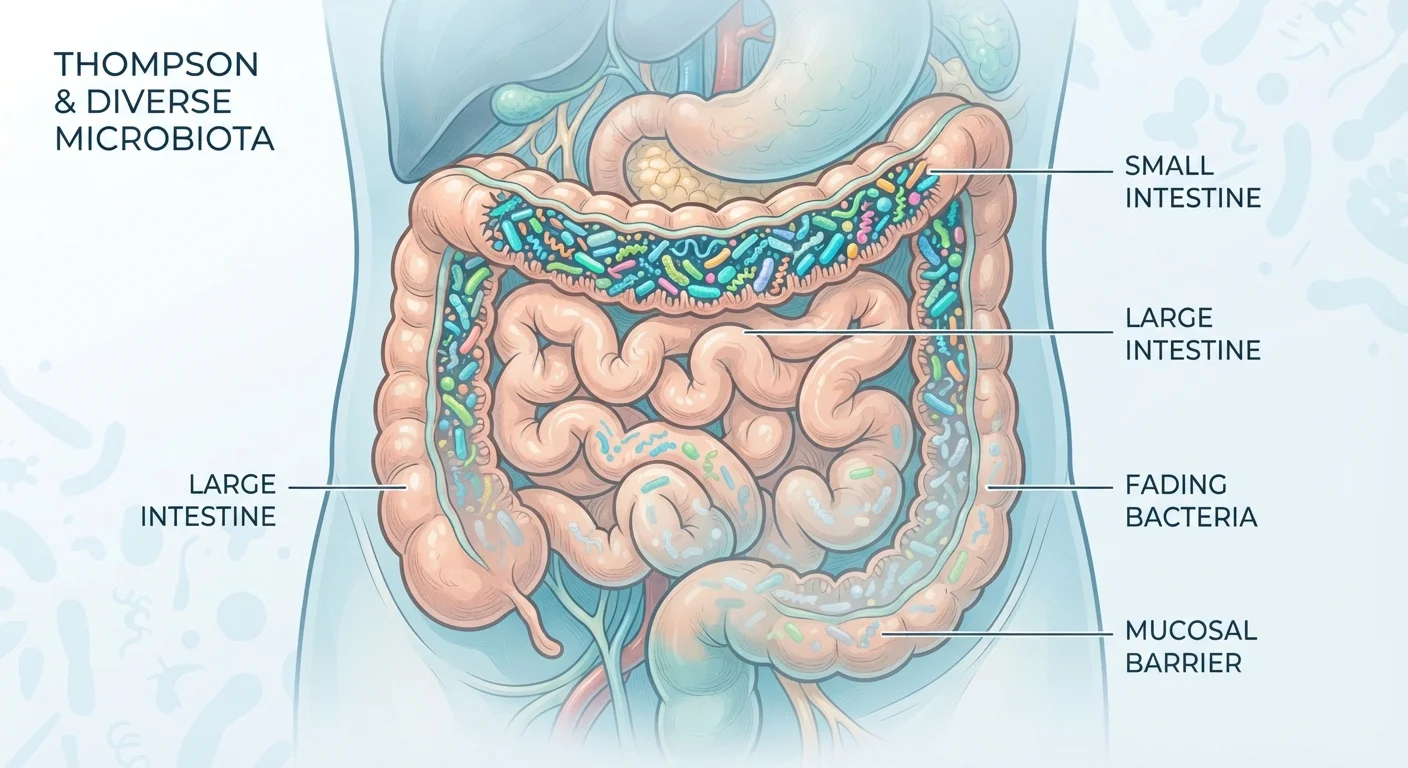
Antibiotics work by targeting bacterial processes — cell wall construction, protein synthesis, DNA replication — and this mechanism does not discriminate neatly between harmful pathogens and the beneficial bacteria that inhabit your gut. Broad-spectrum antibiotics in particular can dramatically reduce microbial diversity, wiping out multiple bacterial families at once. Studies using stool analysis have documented sharp drops in species richness within the first few days of a standard antibiotic course.
The resulting imbalance, known as dysbiosis, can manifest as digestive symptoms like diarrhea, bloating, and altered bowel habits. It also creates ecological space for less desirable microbes — including Clostridioides difficile — to proliferate.
Eliminate dangerous bacterial infections effectively
Antibiotics are highly effective against a wide range of bacterial infections, including pneumonia, urinary tract infections, and sepsis — conditions that were frequently fatal before their development.
Rapid symptom relief in appropriate cases
When used for confirmed bacterial illness, antibiotics can dramatically shorten the duration of illness and reduce the risk of serious complications within days.
Prevents spread of contagious bacterial disease
Completing a course of antibiotics not only protects the individual but also reduces transmission of communicable bacterial illnesses to others, including vulnerable populations.
Microbiome disruption is usually temporary
For most people, significant portions of the gut microbiome recover within weeks to a few months after antibiotic treatment ends, particularly with a fiber-rich diet.
What Typically Recovers — and on What Timeline
Research consistently shows that the microbiome is resilient. For most healthy adults, a significant portion of disrupted bacterial populations begins to rebound within two to four weeks after completing an antibiotic course. Within one to two months, the overall community structure tends to resemble its pre-antibiotic composition in broad strokes.
~4 weeks
Typical early microbiome recovery window
Multiple studies using stool microbiome analysis have observed partial recovery of gut bacterial diversity within approximately four weeks of completing a standard antibiotic course.
Up to 6–12 months
Time for some species to fully return
Research published in journals including Nature Microbiology has found that certain bacterial species may remain at reduced levels for six to twelve months post-antibiotic treatment in some individuals.
However, recovery is not uniform across antibiotic types. Narrower-spectrum antibiotics that target a specific class of bacteria tend to cause less collateral disruption. Broader agents, or repeated courses taken in close succession, are associated with longer and less complete recovery periods.
Dietary choices during and after treatment appear to influence recovery speed. A diet rich in fiber and fermented foods has been studied in this context. Eating patterns that support a diverse gut microbiome provides a detailed look at which dietary approaches researchers associate with a varied and resilient bacterial ecosystem.
What May Not Fully Return
The picture is less reassuring at finer levels of detail. Several research groups have found that certain bacterial species — particularly some that belong to the genera Bifidobacterium and Lactobacillus — can remain at suppressed levels for months after a course of antibiotics ends. In some individuals, a subset of strains does not return to baseline concentrations even at the six- to twelve-month mark.
Repeat antibiotic use compounds this problem. Each successive course may erode a slightly different subset of the microbial community, and the cumulative effect over years of occasional antibiotic treatment can meaningfully reduce long-term diversity. This is one of the mechanisms through which antibiotic use is thought to affect immune regulation over time. Why antibiotic use can disrupt immune function through the gut explores this gut-immune link in greater depth.
Antibiotic Use in Children and Special Populations
Children's microbiomes are still developing, and some research suggests that early antibiotic exposure may have longer-lasting effects on microbial diversity than use in adults. Pregnant individuals and older adults also have distinct microbiome considerations. If you fall into any of these categories, consult a pediatrician, obstetrician, or primary care provider before drawing conclusions from general adult microbiome research.
This does not mean antibiotics should be avoided when medically necessary — the alternative of untreated bacterial infections carries far greater risk. But it does underscore why responsible prescribing and avoidance of unnecessary antibiotic use matters.
The Pros and Cons of Taking Antibiotics
Weighing the gut microbiome impact of antibiotics requires keeping both sides of the ledger clearly in view. For serious bacterial infections, there is no meaningful alternative — the microbiome disruption is an accepted side effect of a life-saving intervention. For less severe or ambiguous situations, understanding this trade-off can support more informed conversations with a clinician.
Eliminate dangerous bacterial infections effectively
Antibiotics are highly effective against a wide range of bacterial infections, including pneumonia, urinary tract infections, and sepsis — conditions that were frequently fatal before their development.
Rapid symptom relief in appropriate cases
When used for confirmed bacterial illness, antibiotics can dramatically shorten the duration of illness and reduce the risk of serious complications within days.
Prevents spread of contagious bacterial disease
Completing a course of antibiotics not only protects the individual but also reduces transmission of communicable bacterial illnesses to others, including vulnerable populations.
Microbiome disruption is usually temporary
For most people, significant portions of the gut microbiome recover within weeks to a few months after antibiotic treatment ends, particularly with a fiber-rich diet.
Broad reduction in gut microbial diversity
Antibiotics, especially broad-spectrum types, reduce the variety of bacterial species in the gut — a change linked to digestive symptoms and potentially longer-term health effects.
Some beneficial bacterial strains may not fully return
Research has documented persistent reductions in specific bacteria such as Bifidobacterium species for months after treatment, with incomplete recovery in some individuals.
Increased risk of opportunistic infections
Depleting the gut's beneficial microbes can create space for harmful bacteria like Clostridioides difficile to proliferate, causing potentially serious colitis in susceptible individuals.
May contribute to antibiotic resistance over time
Unnecessary or repeated antibiotic use contributes to the development of antibiotic-resistant bacterial strains — a significant public health concern identified by major health organizations worldwide.
Cumulative damage worsens with repeated courses
Each antibiotic course can erode a slightly different subset of gut bacteria, and the long-term effects of multiple courses over years may compound into meaningfully reduced microbiome diversity.
Habits that quietly disrupt your gut bacteria over time examines how antibiotic use sits alongside other lifestyle factors that affect the microbiome over the long term.
Supporting Your Gut During and After Antibiotics
Several practical approaches have been studied for their potential to reduce microbiome disruption or accelerate recovery, though evidence varies in strength and should not be treated as a substitute for medical guidance.
- Probiotics: Some clinical trials suggest certain probiotic strains taken alongside or following antibiotics can modestly reduce the incidence of antibiotic-associated diarrhea. Effects are strain-specific and not universal. Consult a healthcare provider about whether a probiotic is appropriate for your situation.
- Fermented foods: Yogurt, kefir, and other fermented foods contain live cultures and have been included in recovery-focused dietary strategies. Fermented foods and gut health: what the science actually shows offers an honest assessment of the current evidence.
- Dietary fiber: Fiber serves as fuel for beneficial gut bacteria, and higher-fiber diets have been associated with faster microbiome rebound in some studies. Whole grains, legumes, vegetables, and fruits are established sources.
- Avoiding unnecessary antibiotics: Not starting an antibiotic course without a clear bacterial indication — as determined by a clinician — remains the most direct way to protect long-term microbiome health.
For a broader look at what shapes gut health day-to-day beyond antibiotic use, gut health basics and everyday habits that influence your microbiome covers diet, sleep, stress, and movement through an evidence-based lens.
This article is for general informational purposes only and does not constitute medical advice. Always consult a qualified healthcare professional before making any decisions about antibiotic use, supplementation, or changes to your health routine.