

Key Takeaways
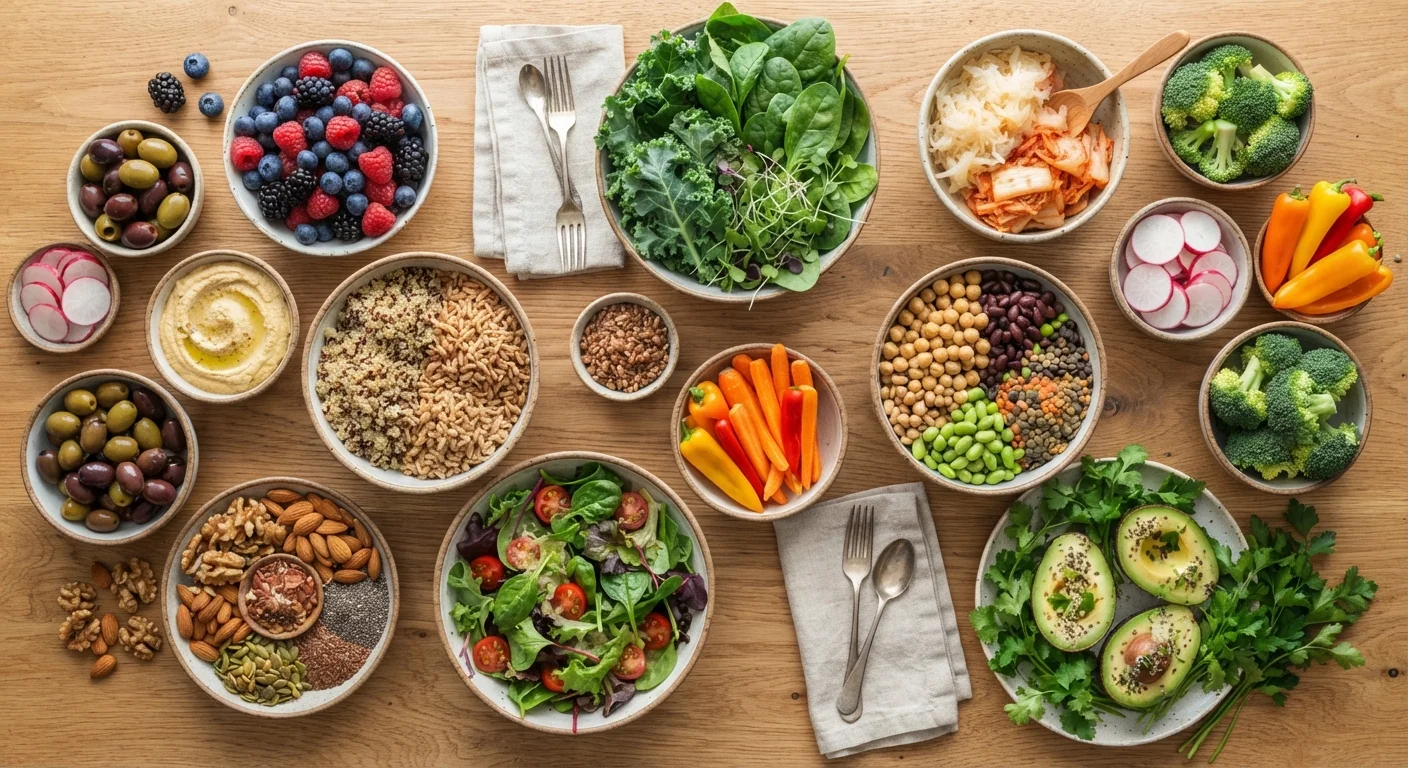
- Eating a wide variety of plant foods is consistently linked to greater microbiome diversity in research.
- Fermented foods like yogurt, kefir, and kimchi introduce beneficial microorganisms and may support bacterial richness.
- Dietary fiber — especially from diverse sources — functions as fuel for beneficial gut bacteria.
- Highly processed foods and limited dietary variety are associated with reduced microbial richness.
- No single food or supplement replaces the broad benefits of a consistently varied, whole-food diet.
Why Microbiome Diversity Matters
The human gut hosts trillions of microorganisms — bacteria, fungi, viruses, and other microbes — that collectively influence digestion, immune function, and even mood. Your gut microbiome explained in detail, but the short version is this: a more diverse microbial community appears to be a more resilient one.
Research published in leading gastroenterology and nutrition journals consistently associates lower microbiome diversity with conditions including inflammatory bowel disease, metabolic syndrome, and increased susceptibility to infection. While causality remains under active investigation, the pattern is strong enough that supporting diversity through diet is a broadly endorsed strategy among gut health researchers.
What drives diversity? Primarily, what you eat — and equally, the variety of what you eat over time.
Best Practices for a Diversity-Supporting Diet
The following evidence-informed approaches represent the current consensus on dietary patterns most likely to support a varied gut bacterial ecosystem. These are general educational guidelines, not personal medical recommendations — always consult a qualified healthcare provider about your individual health needs.
Aim for 30 or more different plant foods per week.
Research from the American Gut Project found that people who consumed 30 or more distinct plant foods weekly had significantly higher microbiome diversity than those eating 10 or fewer. Different plant species carry unique fibers and polyphenols that feed distinct bacterial communities, encouraging a broader microbial range.
Prioritize dietary fiber from diverse sources, not just one type.
Gut bacteria are selective feeders: different bacterial species thrive on different fiber structures. Inulin, pectin, resistant starch, and beta-glucan each support different microbial populations. Relying on a single high-fiber food cultivates a narrower bacterial range than mixing fiber sources regularly.
Include fermented foods regularly as part of a balanced diet.
A 2021 Stanford study published in Cell found that a high-fermented-food diet increased microbiome diversity and decreased markers of inflammation compared to a high-fiber diet alone. Fermented foods introduce live microorganisms and may help sustain existing microbial communities.
Reduce ultra-processed foods rather than eliminating entire food groups.
Ultra-processed foods — characterized by refined ingredients, additives, and low fiber — are consistently associated with reduced microbial richness in large observational studies. The goal isn't deprivation but displacement: replacing processed options with whole-food alternatives incrementally shifts the gut environment toward greater diversity.
Follow plant-forward dietary patterns over time, not just occasionally.
Mediterranean, DASH, and plant-forward diets are consistently linked to higher microbiome diversity in both observational and controlled research. Their shared emphasis on vegetables, legumes, whole grains, nuts, and healthy fats creates a dietary environment favorable to diverse bacterial populations. How these longevity eating patterns compare is worth exploring for deeper context.
Quick Actions You Can Start Today
Shifting your diet toward greater microbiome diversity doesn't require an overnight overhaul. Small, consistent changes tend to accumulate meaningful effects over weeks and months. The practices below are actionable starting points backed by research on gut health and dietary patterns.
Variety Is the Strategy, Not a Single Food
It's tempting to focus on one 'gut health' food — yogurt, kombucha, or psyllium husk — as a fix. But microbiome researchers emphasize that diversity of inputs drives diversity of outcomes. Rotating your choices week to week, even within the same food categories, tends to produce broader microbial benefits than consistently eating the same high-fiber or fermented food every day.
Putting It All Together
Microbiome science is still evolving, and researchers are cautious about overstating what any single dietary change can accomplish. What does emerge clearly from the literature is that variety and consistency matter more than any one superfood or supplement. The habits that quietly disrupt gut bacteria — like ultra-processed food reliance and dietary monotony — are essentially the mirror image of the practices outlined here.
For readers interested in the broader picture, everyday habits that influence the microbiome explores how sleep, stress, and movement interact with gut bacteria alongside diet. And if you're curious how gut diversity connects to long-term health, nutrition patterns that support immune function makes the gut-immune connection concrete.
The bottom line: feeding your gut a wide cast of plant-based characters — consistently, not occasionally — is among the most durable dietary investments the research supports.
This article is for general informational and educational purposes only and does not constitute medical advice. Speak with a qualified healthcare professional before making significant changes to your diet, particularly if you have a digestive condition or chronic health concern.