

Key Takeaways
- Dietary patterns consistently outperform single superfoods for supporting immune resilience.
- Roughly 70% of immune cells reside in or near the gut, making diet-microbiome links central to immunity.
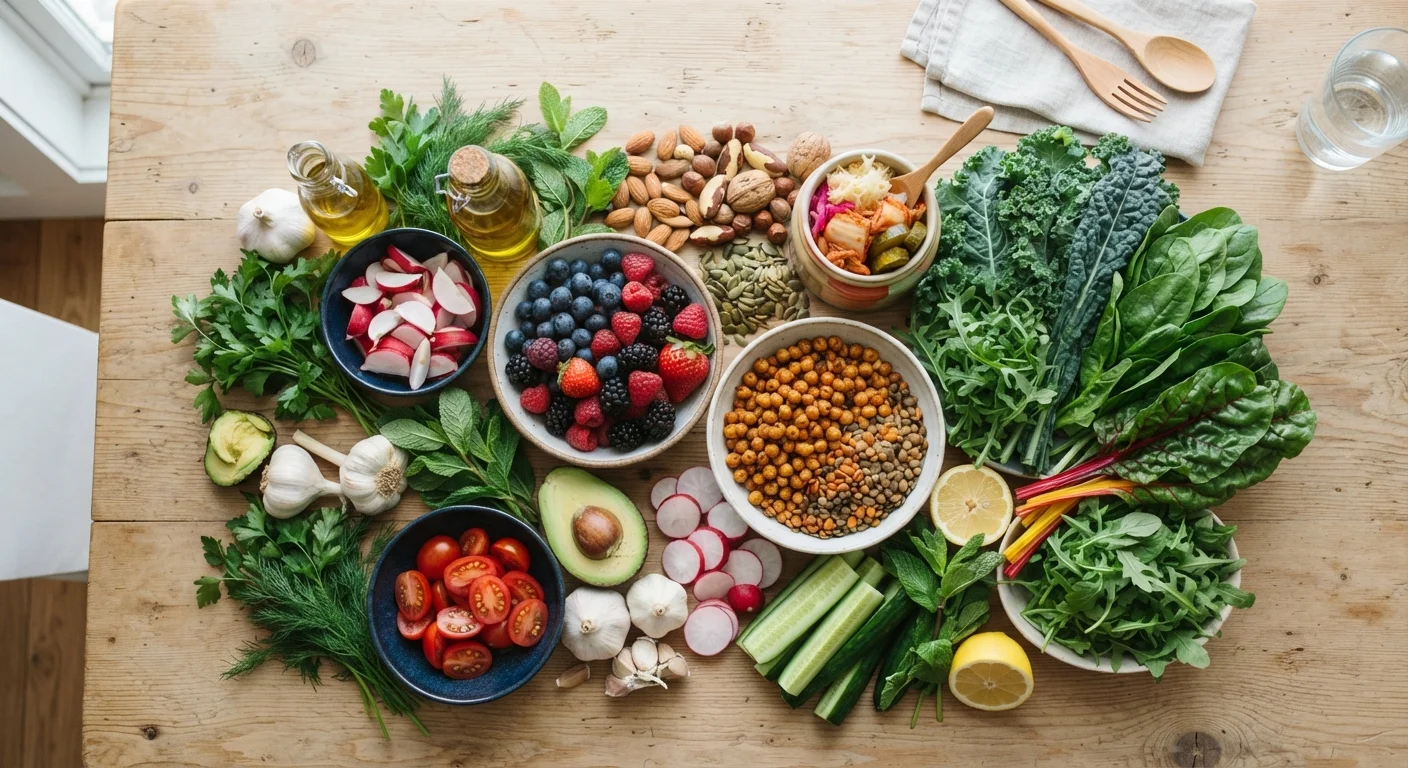
- Variety in plant foods — aiming for many different types weekly — feeds a more diverse gut microbiome.
- Ultra-processed foods and excess added sugar are associated with reduced immune efficiency.
- No supplement replaces a well-rounded eating pattern, though targeted nutrients may fill specific gaps.
- Consistent everyday food choices matter far more than short-term immune-boosting strategies.
Why Patterns, Not Individual Foods, Drive Immune Health
The phrase "immune-boosting superfood" is popular, but it misrepresents how immunity actually works. The immune system is a sophisticated, multi-layered network — not a single dial you can turn up with a daily shot of ginger. What nutrition research consistently shows is that overall dietary patterns correlate far more strongly with immune resilience than any single ingredient.
If you're new to thinking about immune health from the ground up, our overview of immune system resilience provides helpful context before diving into the nutritional specifics here.
The reasoning is straightforward: immune function draws on dozens of micronutrients simultaneously — vitamins A, C, D, E, B6, B12, folate, zinc, selenium, iron, and more — along with dietary fiber, polyphenols, and healthy fats. No single food provides all of them in meaningful quantities. A pattern of eating that emphasizes variety, whole foods, and plant diversity is far better positioned to cover these overlapping needs.
~70%
Immune cells located in or near the gut
Estimates from gastrointestinal immunology research consistently place the majority of the body's immune tissue within the gut-associated lymphoid system.
30+
Different plant foods per week linked to microbiome diversity
The American Gut Project, one of the largest citizen-science microbiome studies, found that people eating 30 or more different plant types weekly had significantly greater gut microbial diversity.
~57%
Of average U.S. daily calories from ultra-processed foods
A study published in BMJ Open estimated that ultra-processed foods account for more than half of total caloric intake among U.S. adults, displacing fiber- and nutrient-rich whole foods.
The Gut–Immune Connection and Why Fiber Matters
Approximately 70% of the body's immune cells are located in or near the gastrointestinal tract, making the gut a central hub for immune regulation. The trillions of bacteria, fungi, and other microbes that make up the gut microbiome interact continuously with immune cells, helping calibrate responses and maintain tolerance to harmless substances.
Dietary fiber is the primary fuel source for beneficial gut bacteria. When these bacteria ferment fiber, they produce short-chain fatty acids (SCFAs) — compounds that help regulate inflammation and support the integrity of the gut lining. A disrupted gut lining can allow bacterial fragments to enter the bloodstream, triggering a low-grade inflammatory state that places ongoing demands on the immune system.
For a detailed look at the science, see our article on fiber and immune resilience. In practical terms, increasing the diversity of plant foods — vegetables, fruits, whole grains, legumes, nuts, and seeds — is one of the most evidence-supported steps an individual can take. Research published in journals such as Cell Host & Microbe has found that eating 30 or more different plant foods per week is associated with greater microbiome diversity, which in turn is linked to more resilient immune responses. You can explore the broader dietary approaches behind this in our guide on eating patterns that support a diverse gut microbiome.
Recommended Nutrition Practices for Immune Support
The following practices reflect the current weight of nutritional science on immune health. They are general educational guidelines — not personal medical advice. Always work with a qualified healthcare provider for guidance tailored to your specific health situation.
Prioritize variety in plant foods over volume of any single item.
Different plant foods contain different polyphenols, fibers, and micronutrients that feed distinct microbial populations and support different immune pathways. Eating a wide range — not just large amounts of one vegetable — is what drives microbiome diversity and broader nutritional coverage.
Include fermented foods regularly as part of a varied diet.
Fermented foods such as plain yogurt, kefir, kimchi, sauerkraut, and miso contain live microorganisms that may contribute to microbiome diversity. A notable 2021 clinical trial published in Cell found that a high-fermented-food diet increased microbiome diversity and reduced markers of inflammation compared to a high-fiber diet alone.
Limit ultra-processed foods and excess added sugar consistently — not just during illness.
Ultra-processed foods tend to be low in fiber, polyphenols, and micronutrients while being high in additives that may negatively affect the gut lining and microbiome composition. These effects accumulate over time, making habitual avoidance more impactful than temporary restriction.
Eat adequate protein from diverse sources to support immune cell production.
Antibodies and immune cells are largely protein-based. Insufficient protein intake — particularly over time — can impair the body's ability to mount and sustain immune responses. Both animal and plant protein sources can meet this need when total intake is adequate and varied.
Follow an overall eating pattern consistent with Mediterranean-style or whole-food principles.
The Mediterranean dietary pattern — emphasizing vegetables, fruits, whole grains, legumes, olive oil, nuts, and moderate fish consumption — has the broadest body of evidence linking it to reduced chronic inflammation and better long-term health outcomes, including immune-related markers. It is not the only valid approach, but it is among the most studied.
Nutrients Worth Knowing — Without Overstating Them
Certain nutrients attract attention in immune health discussions, and for some there is genuine mechanistic and clinical evidence. Vitamin D supports the differentiation of immune cells and is involved in regulating inflammatory responses. Zinc is necessary for normal development and function of immune cells. Vitamin C contributes to barrier function and supports various cellular activities of the immune system.
That said, evidence around high-dose supplementation of these nutrients for otherwise healthy, well-nourished individuals is more limited than popular coverage suggests. Our detailed breakdown of vitamin D, zinc, and vitamin C separates what the research establishes from where the evidence remains thin. For vitamin C specifically, foods surprisingly high in vitamin C shows how much variety exists beyond the commonly cited sources.
Food First, Supplements Second
Before reaching for an immune supplement, consider whether your diet consistently covers the basics — variety, adequate fiber, lean protein, and healthy fats. Supplements can address specific, confirmed deficiencies but are not designed to replace a varied eating pattern. If you suspect a nutrient deficiency, testing through a healthcare provider is more informative than supplementing without a baseline.
Hydration also plays an underappreciated role — water supports lymphatic circulation and helps maintain the mucosal barriers that act as the body's first line of defense. Learn more in our piece on hydration and immune health.
What to Reduce: Dietary Patterns That Work Against Immunity
Supporting immune health is not only about what to add — it also involves recognizing patterns that may undermine it. Diets high in ultra-processed foods are consistently associated with reduced microbiome diversity, increased systemic inflammation, and micronutrient insufficiencies. Excess added sugar has been studied in relation to immune cell function, with some research suggesting it may transiently impair certain immune activities, though this remains an active area of investigation.
Chronic alcohol use is more clearly linked to immune dysfunction — it disrupts gut barrier integrity, alters microbiome composition, and impairs the production and function of immune cells. Restrictive or imbalanced eating patterns can also create gaps in key micronutrients without necessarily improving any other measurable marker of health.
For a broader synthesis across lifestyle domains, see our evidence-based overview of building immune resilience, which situates nutrition alongside sleep, stress, and physical activity.
This article is for general informational and educational purposes only and is not a substitute for professional medical advice, diagnosis, or treatment. Consult a qualified healthcare provider before making significant changes to your diet, especially if you have an existing health condition, take medications, or are pregnant, breastfeeding, or managing a chronic illness.