

Key Takeaways
- Immune resilience is shaped by a constellation of lifestyle factors, not a single supplement or food.
- Roughly 70% of immune cells reside in or near the gut, making digestive health central to immune function.
- Chronic sleep deprivation and unmanaged stress both measurably suppress immune responses.
- Dietary variety and fiber diversity support a robust microbiome, which in turn supports immune regulation.
- Lifestyle strategies complement — but do not replace — evidence-based medical prevention like vaccination.
- Immune dynamics change meaningfully at different life stages, requiring age-appropriate strategies.
What Immune Resilience Actually Means
The word immunity is frequently used to suggest an on/off switch — you either have it or you don't. The reality is more nuanced. Immune resilience refers to the immune system's capacity to mount an appropriate response when challenged and then return to baseline without causing collateral damage through sustained inflammation.
A well-functioning immune system does three things well: it recognizes genuine threats, responds proportionately, and resolves that response efficiently. Breakdowns in any of these phases — under-response, over-response, or failure to resolve — underlie many common health concerns, from frequent infections to chronic inflammatory conditions.
For a foundational overview of how the immune system is structured and what drives it, see our plain-language immune health overview. This guide builds on those fundamentals with a whole-picture look at the lifestyle factors that shape long-term resilience.
This article is for general informational and educational purposes only, and is not a substitute for professional medical advice. Always consult a qualified healthcare provider for personal health decisions.
The Gut-Immune Axis: Your Body's Command Center
An estimated 70% of the body's immune cells are located in or adjacent to the gastrointestinal tract. This proximity is not coincidental — the gut microbiome (the trillions of bacteria, fungi, and other microorganisms living in the digestive system) actively communicates with immune cells, helping calibrate their responses.
A diverse microbiome tends to support regulatory immune functions, reducing the risk of both under-reaction and harmful overreaction. Research has consistently linked low microbiome diversity to increased susceptibility to infections and a higher incidence of inflammatory conditions. Short-chain fatty acids produced when gut bacteria ferment dietary fiber are one key mechanism: they signal immune cells to maintain tolerance and reduce unnecessary inflammation.
~70%
Immune cells located in or near the gut
A widely cited estimate in immunology research underscoring the gut's central role in immune regulation.
<7 hrs
Sleep linked to higher infection risk
Studies including a UCSF-led trial found adults sleeping fewer than 7 hours were significantly more likely to develop colds after virus exposure.
2–3x
Higher infection susceptibility with chronic stress
Psychoneuroimmunology research led by Sheldon Cohen, Carnegie Mellon University, found chronic stress reliably predicts greater vulnerability to respiratory infections.
Understanding this relationship deeply is worthwhile. Our complete gut health overview covers the microbiome's architecture and its immune connections in accessible detail. And for day-to-day habits that directly influence this axis, see our article on daily habits that shape the gut-immune relationship.
Nutrition Patterns That Support Immune Function
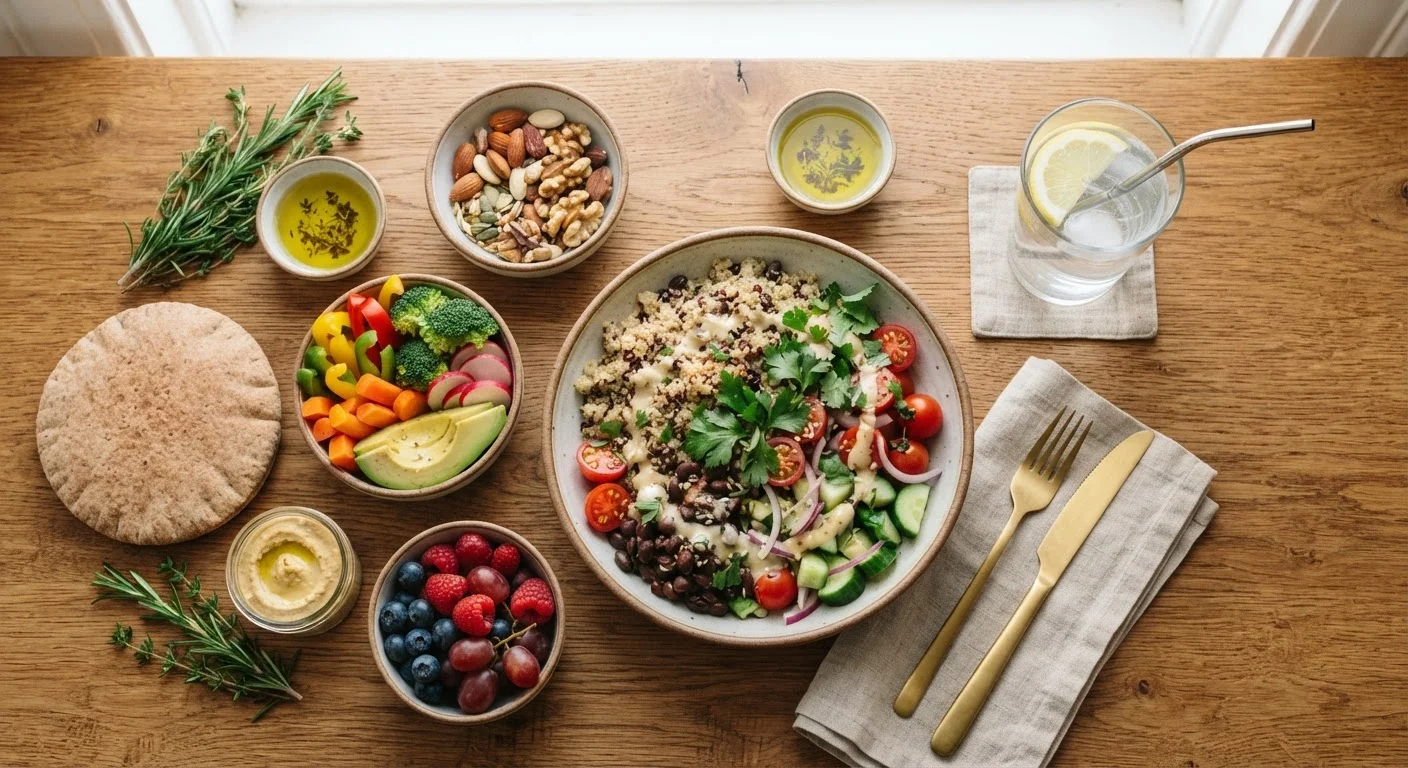
No single food boosts immunity — but the overall pattern of eating matters considerably. Research points consistently to a few principles:
- Fiber diversity: Eating a wide variety of plant foods feeds a broader range of beneficial gut bacteria. Legumes, whole grains, vegetables, and fruits each support different microbial communities.
- Adequate protein: Immune cells and antibodies are built from amino acids; chronically insufficient protein intake can impair immune cell production.
- Key micronutrients: Vitamins C, D, zinc, and selenium all play established roles in immune cell function. Most healthy adults can meet these needs through a varied diet rather than supplementation, though vitamin D status warrants attention in people with limited sun exposure.
- Limiting ultra-processed foods: High intake of ultra-processed foods is associated with reduced microbial diversity and low-grade systemic inflammation.
Aim to eat 30 or more different plant foods per week — not just servings, but distinct varieties. This single practice meaningfully increases microbiome diversity.
The American Gut Project, one of the largest citizen-science microbiome studies, found that people eating 30+ plant varieties weekly had significantly more diverse gut microbiomes than those eating 10 or fewer.
Treat sleep as a non-negotiable immune input, not a luxury. Protecting consistent sleep timing — even on weekends — has a measurable effect on immune readiness.
Circadian disruption, including irregular sleep schedules, impairs the production and timing of cytokines, reducing the immune system's ability to respond predictably to challenges.
For a deeper evidence-based look at dietary patterns, our article on nutrition patterns that support immune function is an excellent next read.
Sleep, Stress, and the Immune System
Two lifestyle factors with outsized and often underappreciated influence on immune resilience are sleep and psychological stress.
Sleep
During sleep, the body produces and releases cytokines — signaling proteins that help direct immune responses. Consistently sleeping fewer than seven hours per night has been associated in research studies with increased susceptibility to common infections and a blunted antibody response to vaccines. Sleep is not passive recovery; it is active immune maintenance.
Chronic Stress
The stress hormone cortisol suppresses certain immune functions when elevated chronically — a useful short-term adaptation that becomes harmful over months and years. Chronic psychosocial stress has been linked in multiple studies to slower wound healing, increased infection rates, and accelerated immune aging. Practical stress-reduction strategies — including mindfulness, physical activity, and social connection — have measurable immune benefits. For structured approaches, our stress management hub offers evidence-grounded techniques.
Together, sleep and stress management may represent the highest-leverage, lowest-cost interventions available for immune resilience.
Movement, Hygiene, and Layered Defenses
Regular moderate-intensity physical activity — such as brisk walking, cycling, or swimming — is consistently associated with enhanced immune surveillance, lower rates of respiratory infection, and better vaccine responses compared with a sedentary lifestyle. Importantly, the relationship follows a curve: very high-volume, high-intensity training without adequate recovery can temporarily suppress immune function, a phenomenon well-documented in endurance athletes.
Physical barriers and hygiene practices also remain among the most evidence-supported tools for reducing infectious disease burden. Handwashing, respiratory hygiene, and safe food-handling practices interrupt transmission chains before the immune system is ever called upon. These behavioral strategies complement lifestyle habits and medical prevention alike. Our guide on preventive strategies beyond vaccines covers this layered approach in detail.
For broader everyday habits that reinforce long-term resilience, explore our healthy daily habits hub.
How Immune Resilience Shifts Across Life Stages
Immune function is not static across a lifetime. Infants rely heavily on maternal antibodies and are establishing their microbiomes — early exposures to diverse environments and breastfeeding, where possible, are associated with more robust immune development. Adolescents and adults generally have their most vigorous adaptive immune responses, though lifestyle factors — stress, diet, sleep — increasingly influence performance.
Older adults experience a gradual decline in immune responsiveness often called immunosenescence. This shift makes consistent lifestyle investment — particularly physical activity, adequate nutrition, and sleep — especially important as a buffer. Microbiome diversity also tends to narrow with age, making dietary variety a meaningful priority. People managing chronic conditions or caring for young children and elderly family members face distinct immune considerations and should work with their healthcare provider for personalized guidance.
For a life-stage perspective on the gut-immune relationship specifically, see our gut health at every life stage.
Putting It All Together: A Whole-Picture Approach
Immune resilience is not the product of any single habit, supplement, or food. It emerges from the consistent, reinforcing interaction of sleep quality, dietary diversity, stress management, physical activity, hygiene practices, and gut health — all working in concert over time.
The evidence base does not support dramatic, rapid fixes. It does strongly support the cumulative power of sustainable, unglamorous habits: eating a wide variety of whole foods, sleeping seven to nine hours, managing chronic stress, moving regularly, and maintaining appropriate medical prevention including vaccination.
Lifestyle Habits Complement Medical Care — Not Replace It
Evidence-based lifestyle strategies support immune resilience but are not substitutes for medical prevention or treatment. Vaccination remains one of the most effective tools for reducing serious infectious disease, and its benefits are independent of — and additive to — lifestyle factors. If you have concerns about your immune health or are managing a chronic condition, consult your healthcare provider before making significant changes.
If you have concerns about your immune health — including frequent infections, slow recovery, or new symptoms — the right first step is a conversation with your healthcare provider, not a supplement regimen. General lifestyle strategies discussed here apply to healthy adults; people with autoimmune conditions, immunodeficiencies, or other chronic illnesses require individualized guidance.
This article is for general informational and educational purposes only and does not constitute medical advice. Consult a qualified healthcare professional for personalized recommendations.