

Key Takeaways
- Gut health refers to a balanced, diverse microbiome and a well-functioning digestive tract lining.
- Roughly 70% of immune cells reside in or near the gut, making digestive health central to immunity.
- The gut-brain axis links digestive function to mood regulation, stress response, and cognitive health.
- Diet diversity, fiber intake, sleep, and stress management are the strongest modifiable influences on gut health.
- Persistent digestive symptoms warrant evaluation by a qualified healthcare professional.
What Is Gut Health, Really?
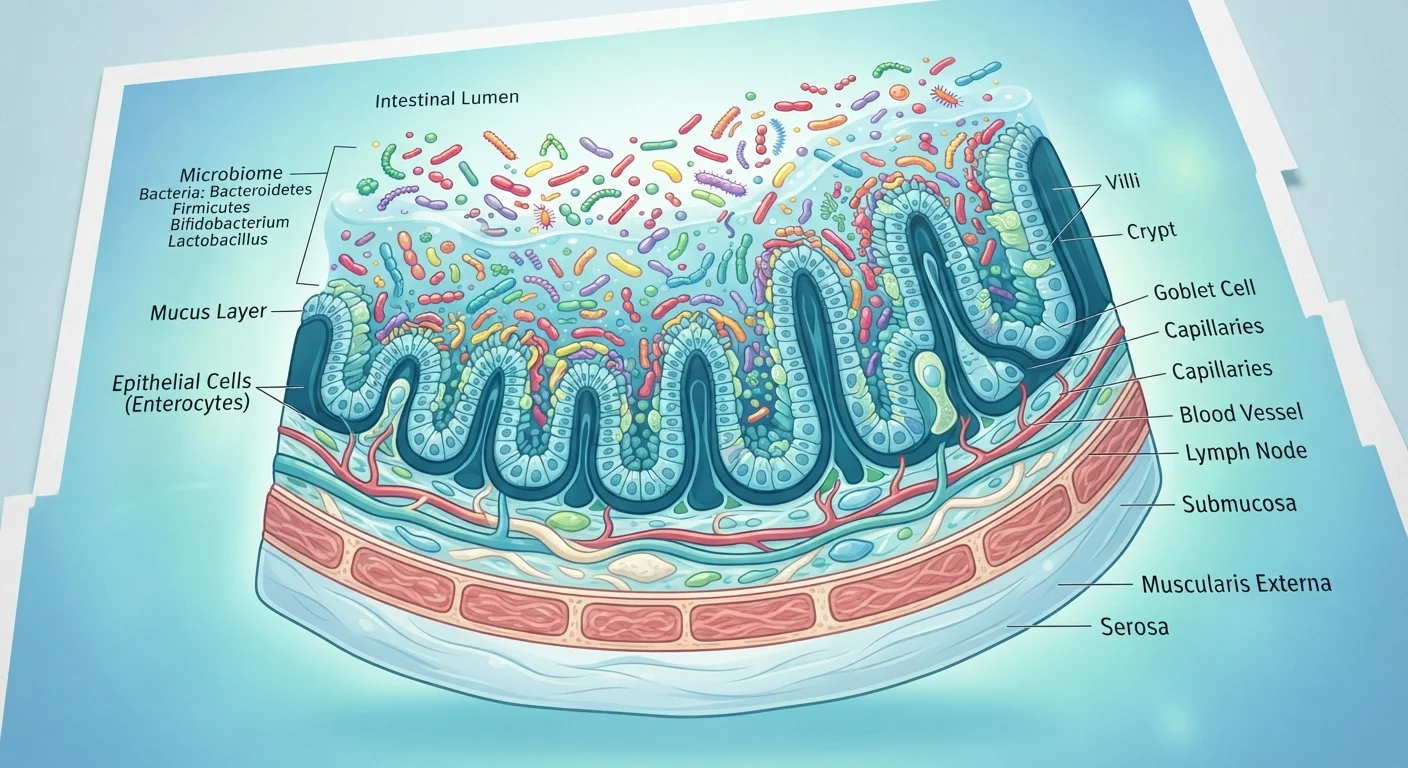
The term "gut health" gets used broadly, but it refers to a specific set of measurable conditions: the structural integrity of the gastrointestinal tract, the diversity and balance of microorganisms living within it, and how efficiently the system absorbs nutrients while excluding harmful substances. A healthy gut performs these roles without chronic symptoms such as bloating, irregular bowel habits, or persistent discomfort.
The gastrointestinal tract runs from the esophagus to the large intestine and is lined by a single-cell-thick mucosal barrier — one of the body's most important interfaces with the external world. When that barrier functions well, it allows nutrients through while blocking pathogens. When it is compromised, low-grade inflammation can spread beyond the gut itself.
This article is for general informational purposes only and does not constitute medical advice. Always consult a qualified healthcare professional for personal health concerns.
The Microbiome: Your Inner Ecosystem
The gut microbiome is a community of trillions of bacteria, fungi, viruses, and other microorganisms that inhabit the digestive tract — primarily the large intestine. Research consistently links microbiome diversity (a wide variety of species) with better health outcomes across multiple body systems.
~38 trillion
Microbial cells in the human gut
Estimates from cell biology research suggest microbial cells in the body roughly match or exceed the number of human cells.
70%
Immune cells located near the gut
A well-established figure in immunology literature, reflecting the gut's central role in immune defense.
90%
Serotonin produced in the gut
Research on the gut-brain axis shows the vast majority of serotonin is synthesized by enterochromaffin cells in the intestinal lining.
These microorganisms ferment dietary fiber into short-chain fatty acids (SCFAs) such as butyrate, propionate, and acetate. SCFAs serve as fuel for colon cells, help regulate inflammation, and signal to the immune system. A diet low in fiber starves these beneficial producers, allowing less helpful microbes to dominate.
For a deeper dive into how gut microbes interact with immune defenses, see the beginner's roadmap to gut microbiome and immune function.
Prioritize variety over volume when it comes to plant foods — eating 30 or more distinct plant species per week is associated with richer microbiome diversity than simply eating large amounts of a few favorites.
The American Gut Project and similar population studies found that plant variety, not quantity alone, is among the strongest dietary predictors of microbiome richness.
When introducing high-fiber foods or fermented products, do so gradually over one to two weeks to allow your gut microbiome to adapt and minimize temporary bloating or gas.
Rapid dietary shifts can cause short-term GI discomfort because microbial populations need time to adjust enzyme production to new substrates.
How the Gut Connects to Your Immune System
Approximately 70% of the body's immune cells are located in or immediately adjacent to the gut. Structures called Peyer's patches — clusters of lymphoid tissue in the small intestine wall — constantly sample intestinal contents, helping the immune system distinguish harmless food proteins from genuine threats.
This relationship is bidirectional: a balanced microbiome educates immune cells to respond proportionately, while a disrupted microbiome (a state researchers call dysbiosis) has been associated with heightened inflammatory responses. The gut-immune axis is an active area of research with real implications for understanding chronic inflammatory and autoimmune conditions.
Understanding the vocabulary around this science helps. Our full reference guide to gut-immune key terms defines the core concepts in plain language.
Dysbiosis Is Not a Clinical Diagnosis
"Dysbiosis" describes a state of microbial imbalance and is a research and conceptual term — it is not a formal clinical diagnosis a doctor can assign. If you have persistent GI symptoms, seek evaluation from a licensed gastroenterologist or primary care physician rather than self-diagnosing based on microbiome-testing kits, which currently have limited clinical validation.
The Gut-Brain Axis: Mood, Stress, and Mental Wellness
The gut and brain communicate through a dense two-way network called the gut-brain axis. The vagus nerve is its primary highway, but the connection also involves immune signaling molecules and neurotransmitter precursors produced by gut bacteria. Roughly 90% of the body's serotonin — a neurotransmitter involved in mood regulation — is synthesized in the gut, not the brain.
Chronic stress alters gut motility, increases intestinal permeability, and shifts microbial composition. Conversely, microbiome disruptions can amplify stress responses. This feedback loop means that supporting gut health may have downstream benefits for emotional resilience. For a broader look at factors shaping mood, see Mood, Emotions, and Mental Wellness: The Complete Picture.
Diet, Lifestyle, and Gut Support
The gut microbiome responds meaningfully to lifestyle inputs. Evidence consistently supports the following:
- Dietary fiber: Fruits, vegetables, legumes, and whole grains feed beneficial bacteria. Variety matters more than any single food.
- Fermented foods: Yogurt, kefir, kimchi, sauerkraut, and similar foods introduce live microorganisms and have been associated in some studies with increased microbiome diversity.
- Sleep: Poor sleep alters microbial composition and raises systemic inflammation markers.
- Physical activity: Regular moderate exercise is linked to greater microbiome diversity independent of diet.
- Stress management: Chronic psychological stress measurably shifts gut microbial balance through hormonal and neural pathways.
These same habits support broader immune resilience. For a full picture, see Building Immune Resilience: An Evidence-Based Look at the Whole Picture. Micronutrient adequacy also matters — The Essential Vitamins and Minerals Every Adult Needs covers key dietary building blocks.
Exploring healthy daily habits more broadly can reinforce the gut-supportive practices above.
When to Seek Professional Guidance
General healthy habits support a resilient gut, but they are not substitutes for medical evaluation. Symptoms such as persistent abdominal pain, unexplained weight loss, blood in stool, or significant changes in bowel habits should always prompt a visit to a healthcare provider. These may indicate conditions — such as inflammatory bowel disease, celiac disease, or colorectal issues — that require proper diagnosis and treatment.
Supplements marketed for gut health, including probiotics, are not regulated as medications and vary widely in strain, potency, and evidence base. Discuss any supplement use with a clinician, particularly if you have underlying health conditions, are pregnant, or are managing a chronic illness.
Gut health exists within the broader context of the gut-immune connection — understanding that relationship is one of the most meaningful steps a health-conscious adult can take.
This content is intended for general educational purposes only and does not constitute medical advice, diagnosis, or treatment. Consult a qualified healthcare professional before making changes to your diet, supplement routine, or health practices.