

Key Takeaways
- Blue Zone populations share several lifestyle traits — not genetics — that researchers link to exceptional longevity.
- Natural daily movement, a predominantly plant-based diet, and strong social ties are the most consistently observed patterns.
- Most Blue Zone habits can be adapted to a typical American routine without dramatic lifestyle overhauls.
- Genetics account for a smaller share of longevity than many people assume; modifiable behaviors matter significantly.
- Small, consistent changes in how you eat, move, connect, and manage stress compound meaningfully over decades.
What Blue Zone Research Actually Shows
The term "Blue Zone" refers to five geographic regions — Sardinia, Italy; Okinawa, Japan; Nicoya, Costa Rica; Ikaria, Greece; and Loma Linda, California — where researchers observed unusually high concentrations of people living past age 90 and 100 in relatively good health. Demographer Michel Poulain and author Dan Buettner popularized the concept after studying what these communities had in common.
Importantly, the research points to shared lifestyle patterns, not unique genetics or geography. Studies suggest that lifestyle and environment may account for a substantial portion of longevity outcomes, with heredity playing a smaller role than many assume. As explored in our article on why lifestyle factors matter more than genetics, the behaviors you choose daily carry real weight.
The key Blue Zone traits researchers identify include: natural, incidental physical movement woven into daily tasks; a diet centered on whole plant foods with meat eaten sparingly; a sense of purpose; stress-reduction practices; moderate caloric intake; moderate alcohol consumption in social settings (in some regions); belonging to a faith community; prioritizing family; and maintaining close, supportive social circles.
Adapting Blue Zone Habits to a Typical American Life
Most Americans face a reality that looks nothing like rural Sardinia or a Seventh-day Adventist community in Loma Linda. Long commutes, processed food availability, screen-dominated leisure, and social fragmentation are the norm. But each Blue Zone pattern has a practical American equivalent.
Build movement into existing daily routines rather than scheduling separate workouts.
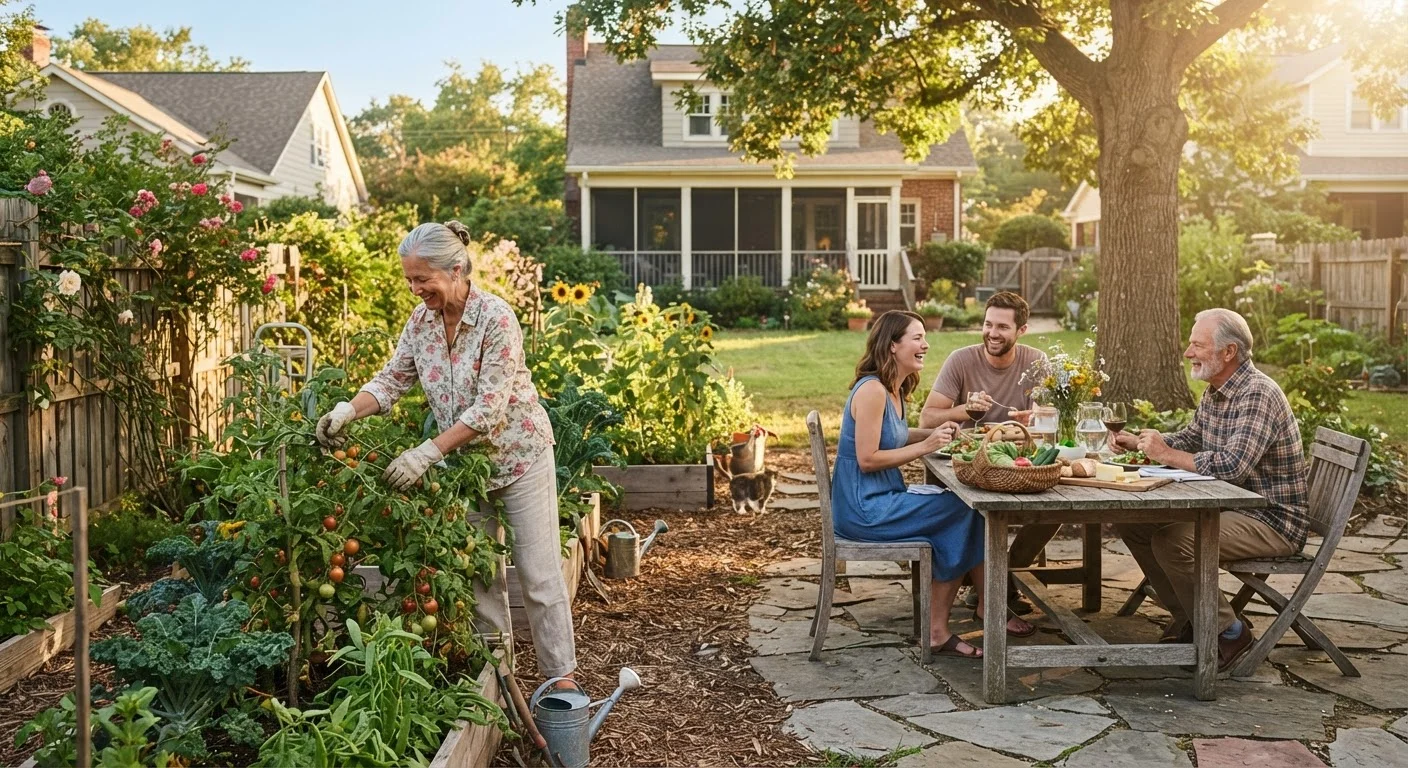
Blue Zone populations rarely use gyms. Their activity comes from walking, gardening, cooking, and manual chores — movement embedded in life. Research on non-exercise physical activity suggests these low-intensity, frequent movements contribute meaningfully to metabolic health and longevity.
Shift the balance of your plate toward whole plant foods without requiring a strict diet label.
Beans, leafy greens, whole grains, and nuts are the dietary staples across virtually every Blue Zone. Research consistently links higher legume intake and lower processed-meat consumption with reduced risk of several chronic diseases. You do not need to eliminate meat — reducing its frequency has measurable effects.
Cultivate at least one close social relationship with consistent, in-person contact.
Social connection is one of the strongest cross-cultural predictors of healthy aging in Blue Zone research. Chronic loneliness is associated with elevated stress hormones and poorer health outcomes. Even one reliable relationship with regular face-to-face engagement appears protective.
Identify and articulate a personal sense of purpose — what researchers call 'ikigai' or 'plan de vida.'
Okinawans call it ikigai; Nicoyans call it plan de vida — a reason to get up in the morning. Research suggests a clear sense of purpose is associated with lower mortality risk and better mental health outcomes in older adults, possibly by buffering stress and motivating healthy behaviors.
Establish a simple, daily stress-reduction ritual that fits your schedule.
Every Blue Zone population has identifiable practices for downshifting — prayer, napping, ancestor veneration, or community gatherings. Chronic stress accelerates cellular aging and inflammation. A consistent, brief practice matters more than duration.
For a broader look at longevity behaviors supported by large-scale population research, see daily habits tied to a longer life. If you are building these changes from the ground up, building a longevity-friendly routine from scratch offers a structured starting point.
Starting Small: Quick Wins You Can Apply Today
Blue Zone communities did not set out to live longer — their habits emerged organically from culture and environment. For Americans, that means designing those conditions intentionally. The quick wins below are a practical entry point.
Movement does not require a gym membership or a dedicated hour each day. Our guide to daily movement habits beyond the gym shows how to weave activity into ordinary routines. You can also use the longevity habit audit checklist each week to track how well your current routine reflects these principles. Explore the full active aging hub and the healthy daily habits hub for ongoing guidance.
This article is for general informational and educational purposes only and is not a substitute for professional medical advice. Consult a qualified healthcare provider before making significant changes to your diet, exercise routine, or health management plan.