

Healthy Aging Editorial Team

Aerobic Exercise vs. Strength Training: Which Does More for Your Memory?
Both cardio and resistance training show cognitive benefits in research, but in different …
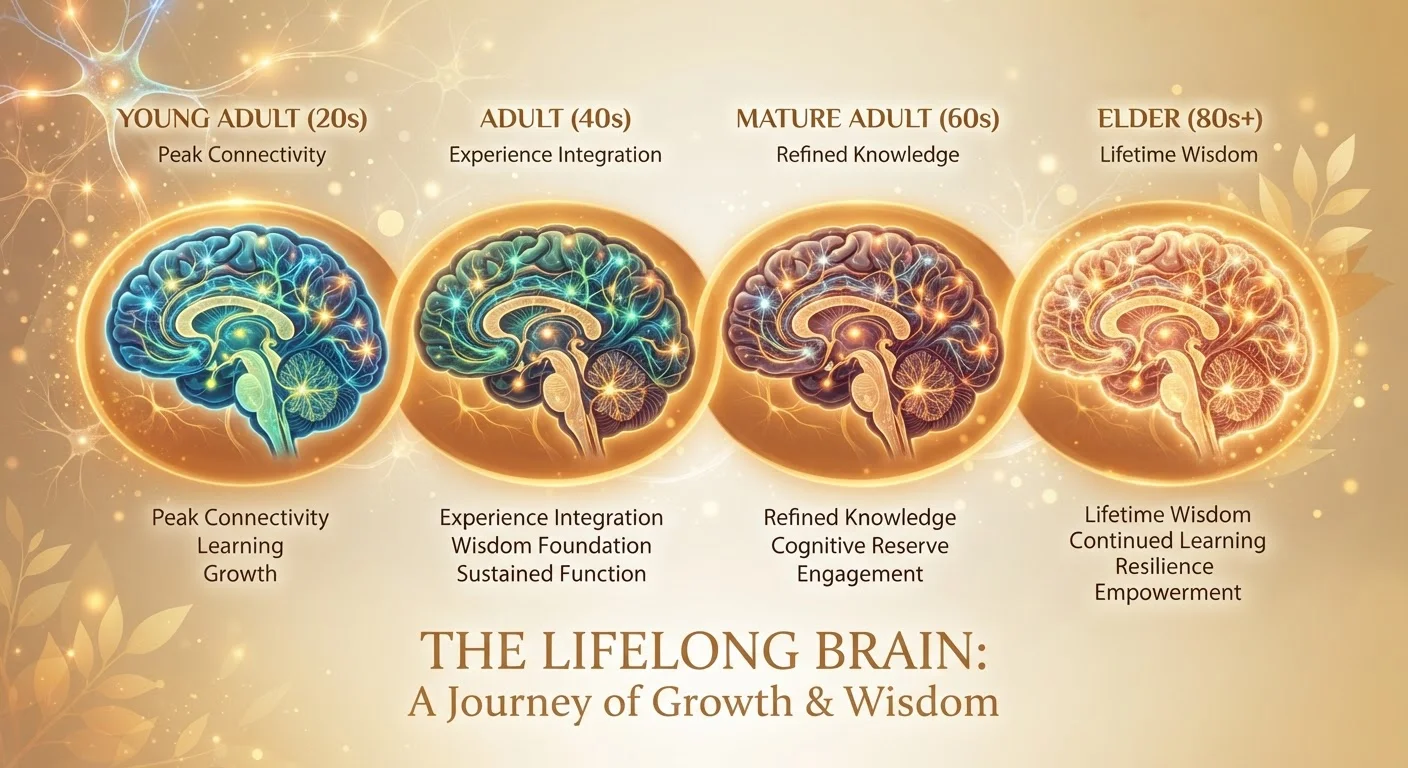
Brain Health Across the Decades: What Changes and What You Can Do About It
From your 30s to your 70s, the brain shifts in predictable ways. Here's what the science s…

Building a Daily Routine That Supports Long-Term Brain Health
Exercise, sleep, social time, and mental challenges all play a role. This guide walks thro…

Cognitive Training Apps vs. Real-World Mental Challenges: What Research Says
Brain-training apps are popular, but do they outperform learning a new skill or instrument…

Everyday Habits That Quietly Undermine Your Cognitive Health
Some common routines — from chronic sleep debt to social withdrawal — erode brain sharpnes…

Foods That Research Links to Cognitive Health - and the Caveats Worth Knowing
Leafy greens, fatty fish, berries — certain foods appear repeatedly in brain health resear…
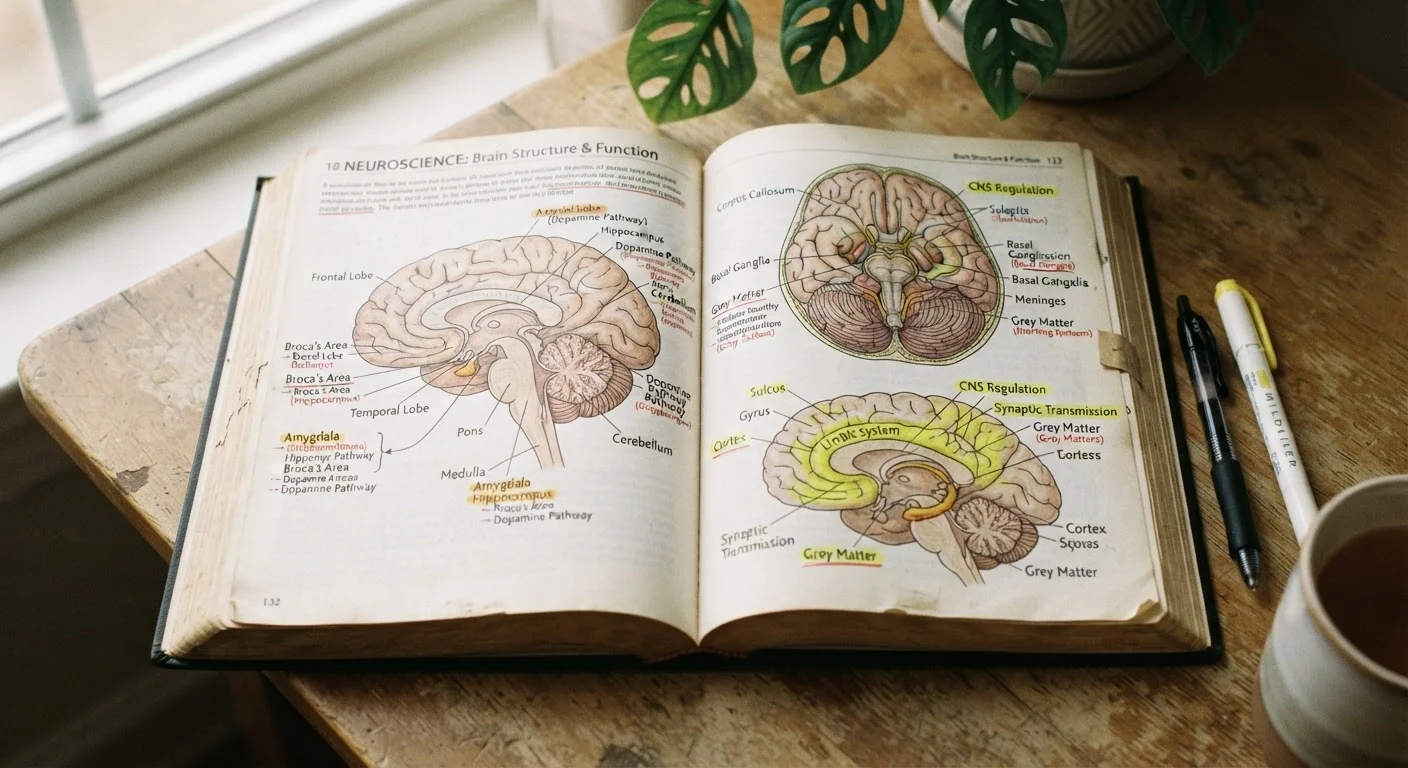
Key Terms in Cognitive Health: A Plain-Language Reference
From neuroplasticity to mild cognitive impairment, this reference defines the terms that c…
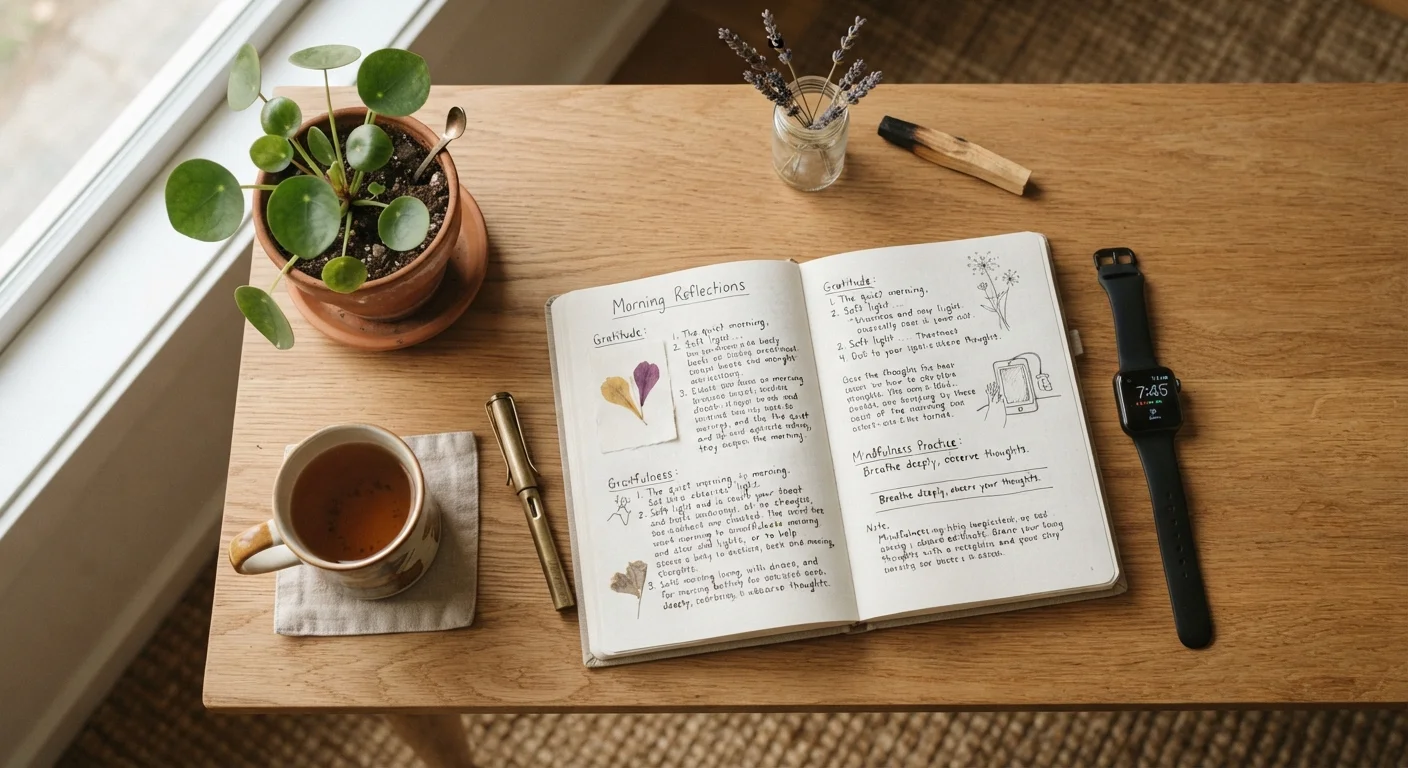
Meditation, Journaling, and Mindfulness: How Reflective Practices Shape the Brain
Different mind-body practices affect the brain in distinct ways. This comparison breaks do…

Memory Loss Myths That Mislead People Over 50
Forgetting a name doesn't mean dementia is coming. Separate common fears from facts about …

Social Connection and Brain Aging: The Evidence Behind the Relationship
Loneliness isn't just an emotional experience — research links chronic social isolation to…

Starting a Brain Health Routine After 60: What to Prioritize First
New to thinking about cognitive health? This beginner-friendly guide explains the most imp…

The Sleep-Memory Connection Most People Underestimate
Sleep isn't just rest — it's when the brain consolidates memories and clears waste. Learn …
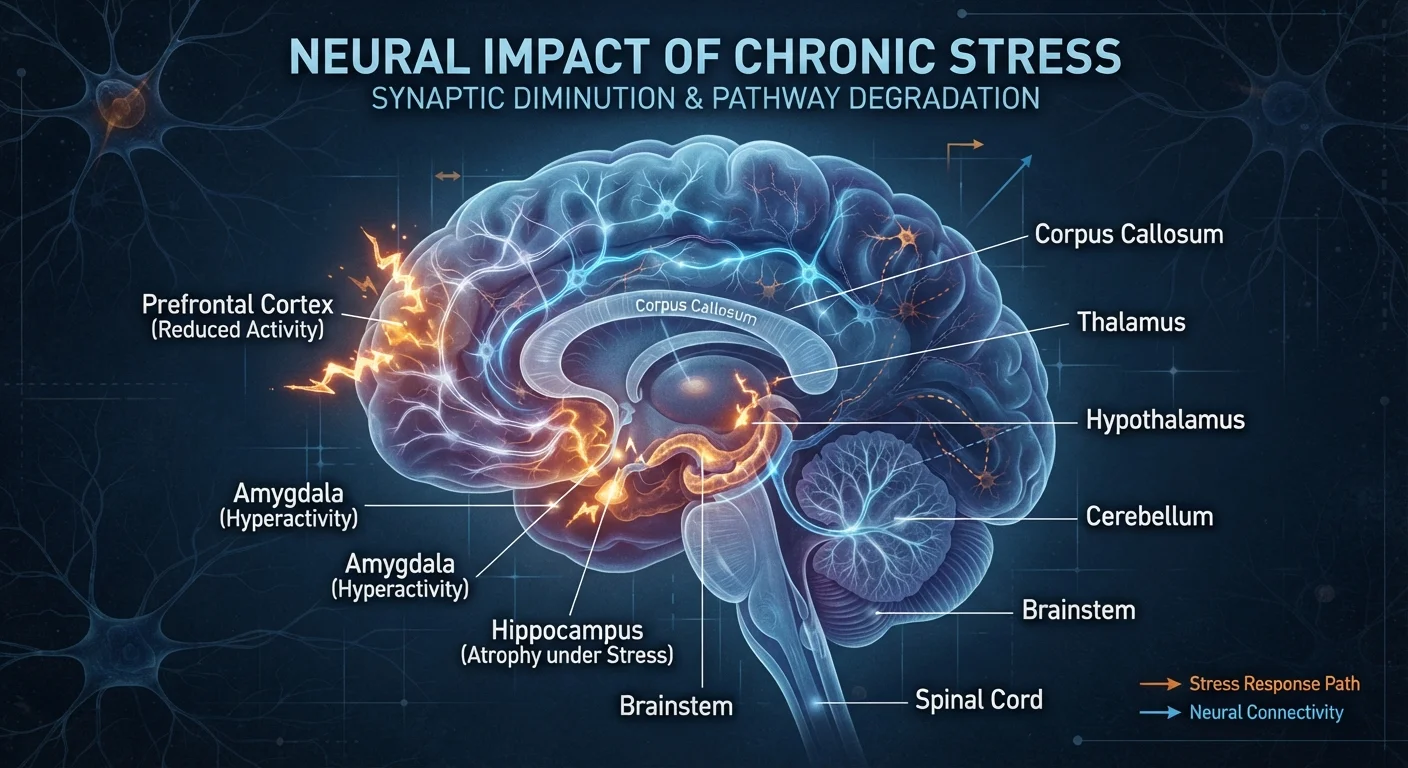
What Chronic Stress Does to the Brain Over Time
Prolonged stress affects brain structure and memory function in measurable ways. Learn wha…

What Cognitive Reserve Actually Means for Your Aging Brain
Cognitive reserve explains why some people stay sharp longer. Learn what it is, how it bui…

Your Annual Brain Health Self-Check: What to Notice and Track
A structured checklist to help you take stock of sleep, activity, social engagement, and m…
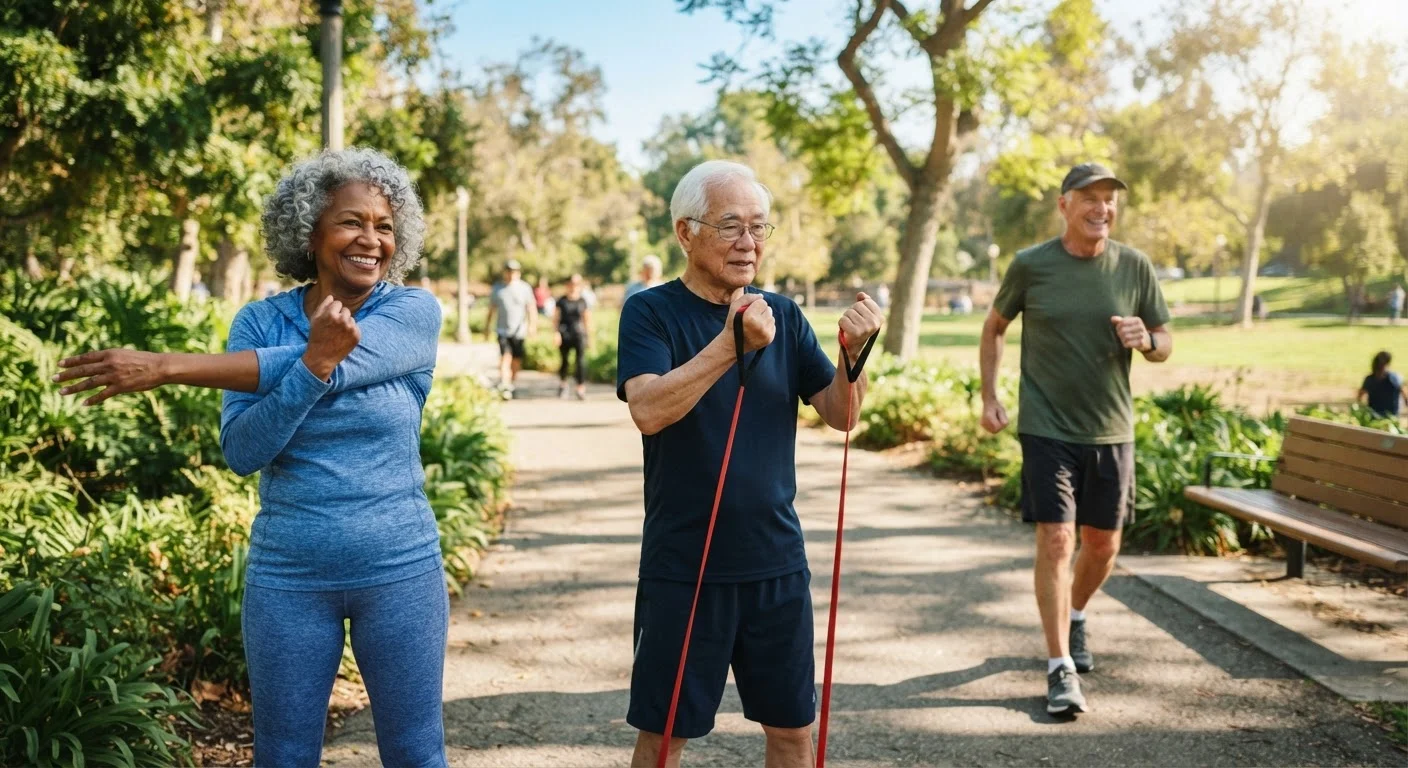
Active Aging: A Complete Guide to Movement, Strength, and Mobility Through the Decades
From your 60s through your 80s, staying physically active looks different at every stage. …
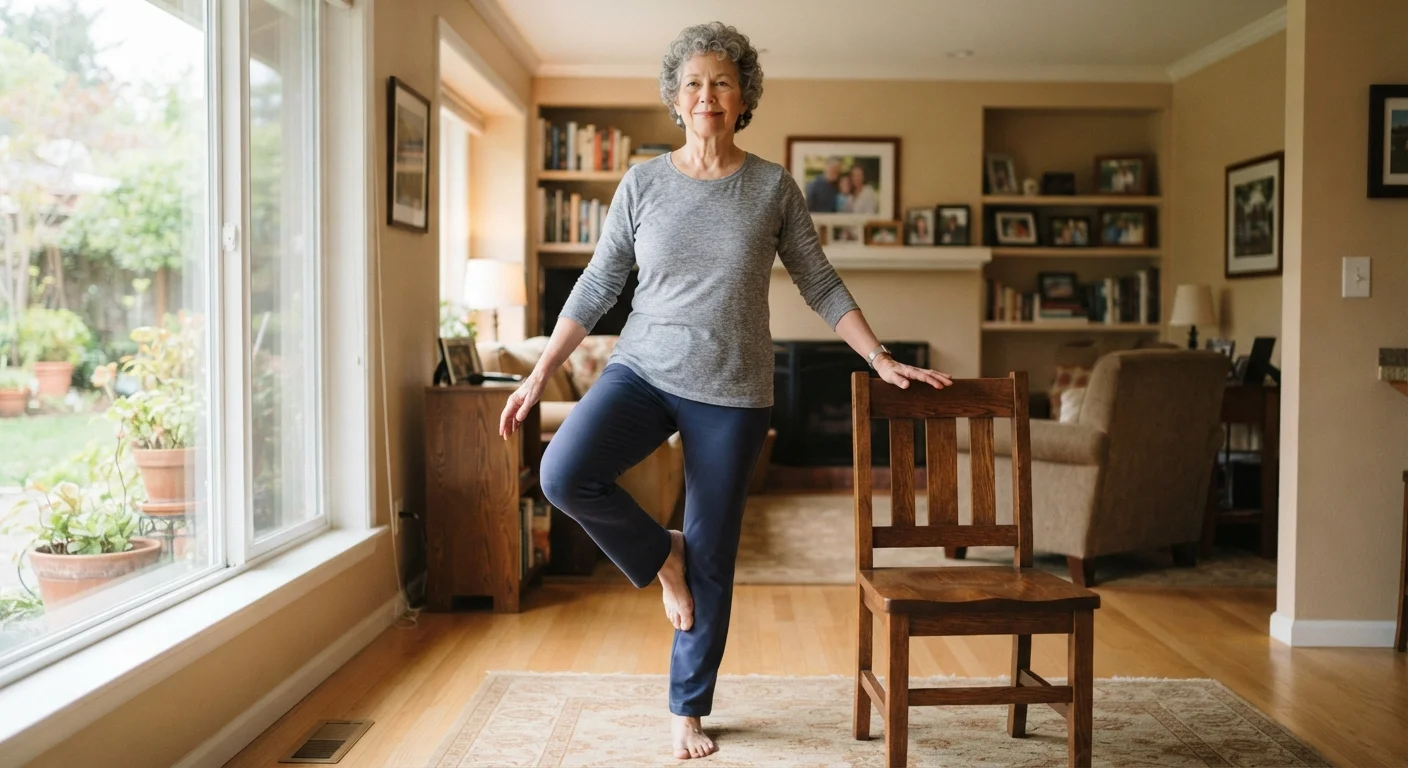
Balance Exercises That Genuinely Reduce Fall Risk in Older Adults
Falls are a leading cause of injury in older adults. Discover which balance-focused moveme…
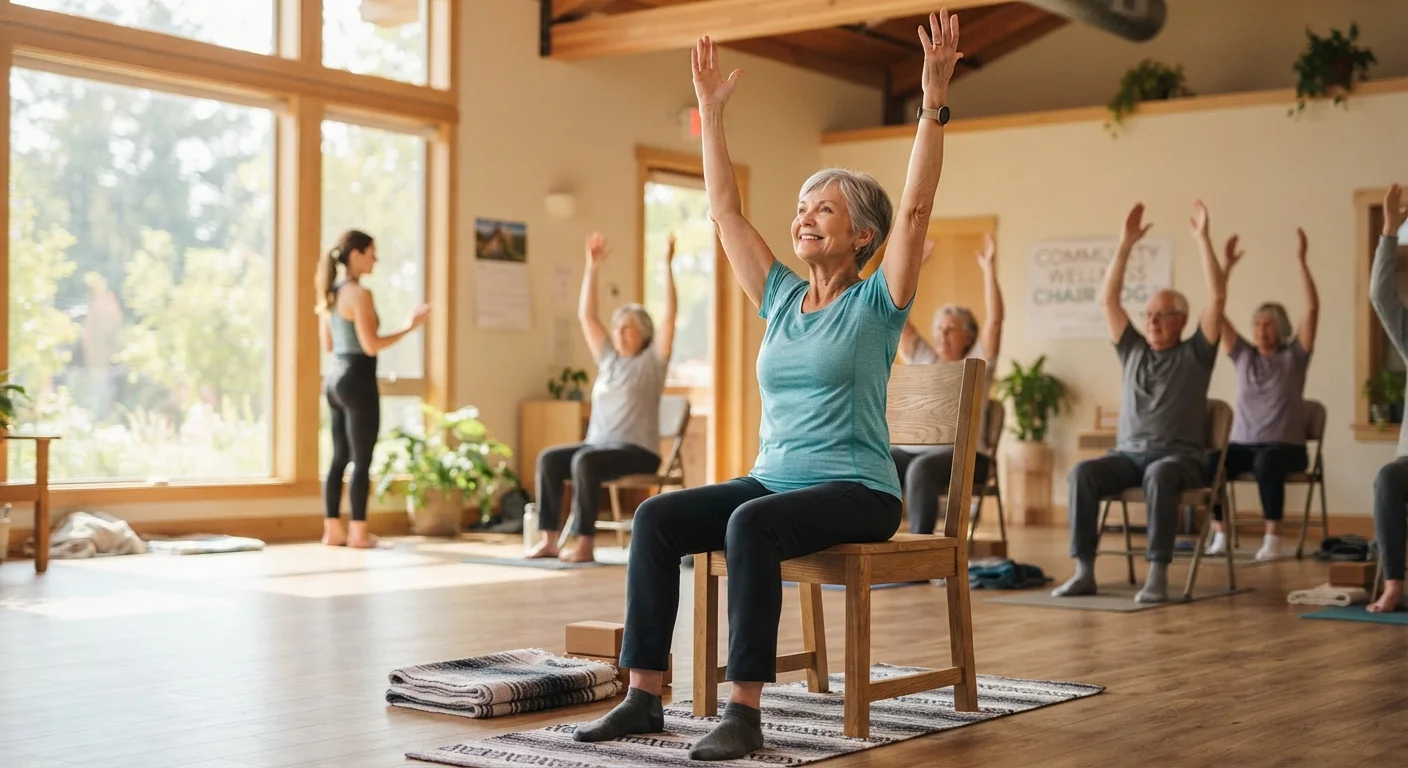
Chair Yoga vs. Traditional Yoga: Adapting Flexibility Practice for Aging Bodies
Chair yoga lowers the barrier to entry for older adults, but how does it compare to conven…
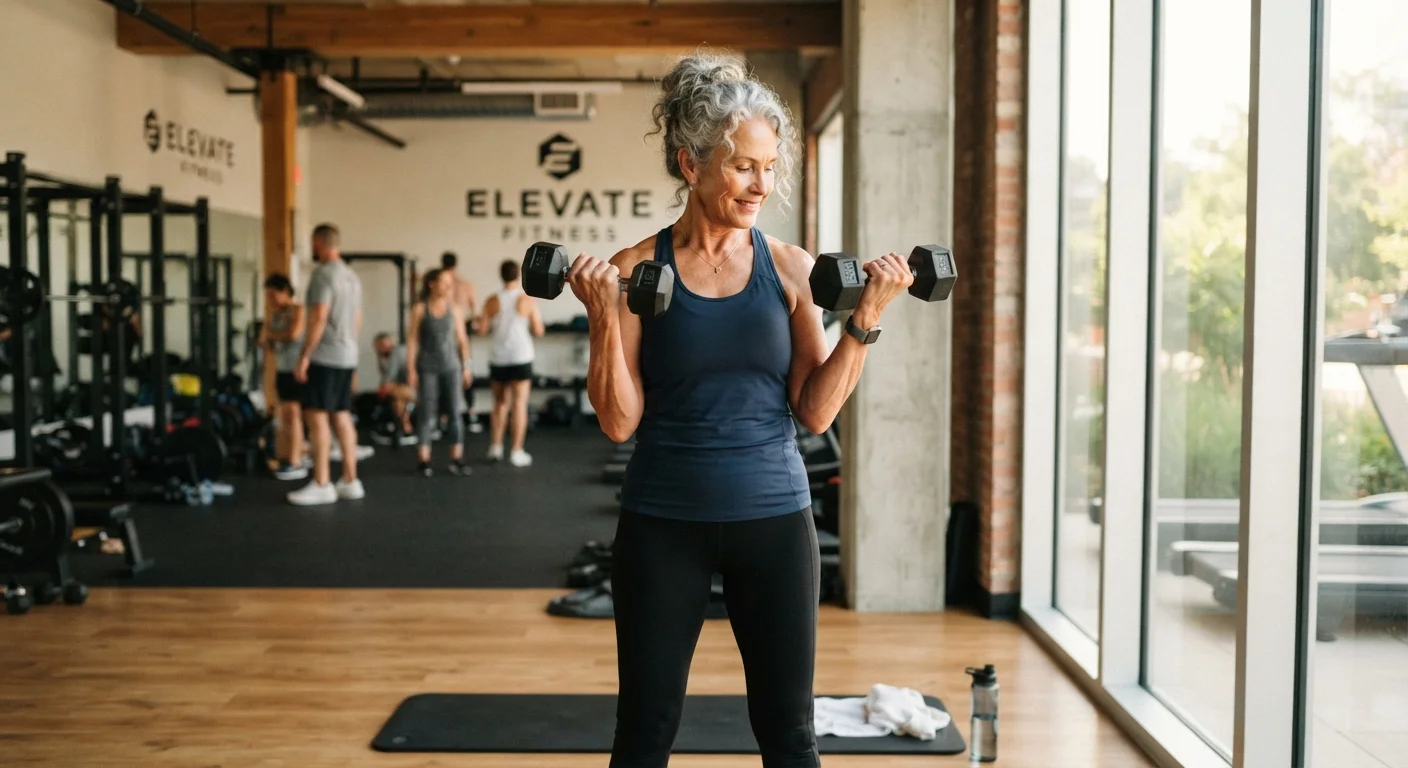
Common Beliefs About Aging and Exercise That Physiology Doesn't Support
From "it's too late to start" to "older adults shouldn't lift heavy," these widespread ass…
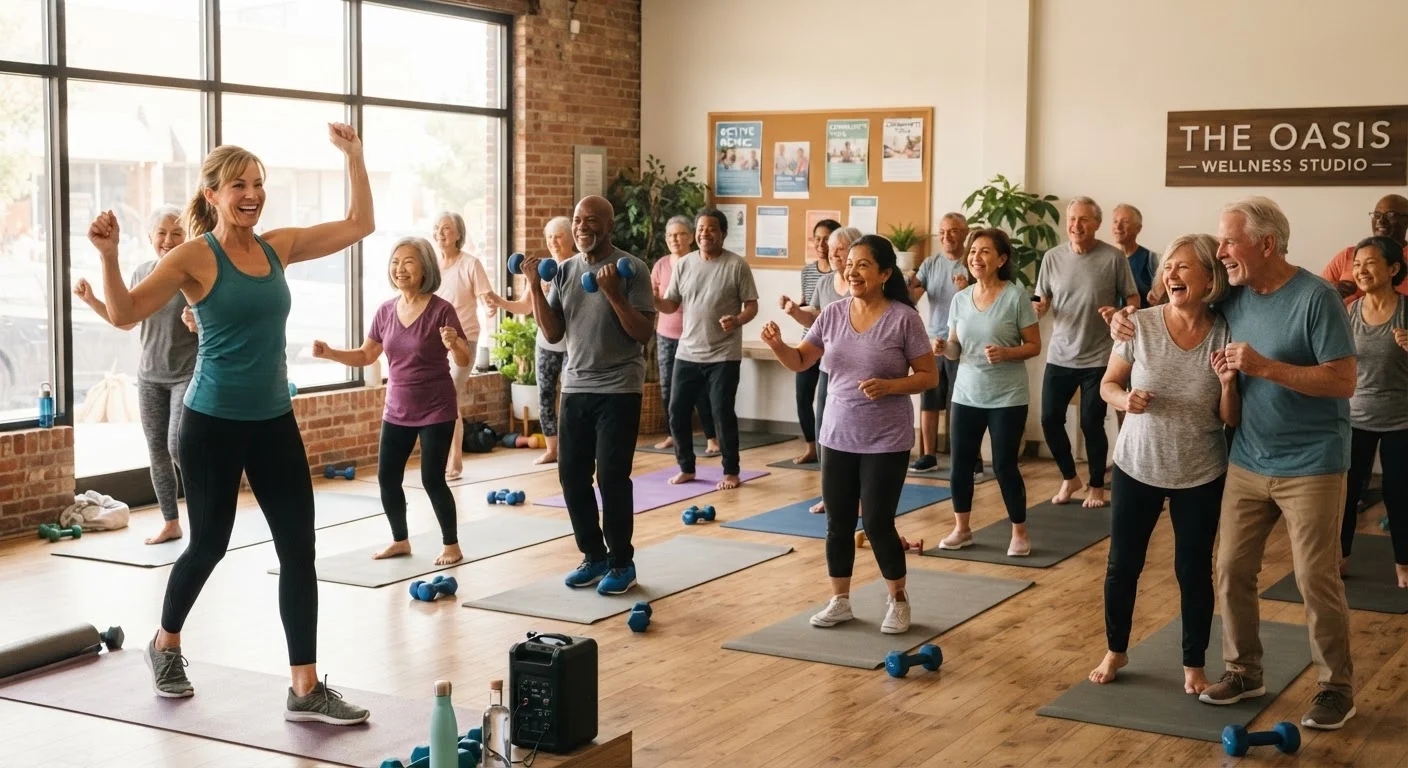
Group Fitness Classes Versus Solo Exercise for Older Adults
Social workouts offer more than camaraderie — but solo exercise has real advantages too. W…

Low-Impact Activities That Deliver Real Fitness Gains for Older Adults
High intensity isn't the only path to strength and stamina. These low-impact options offer…

Physical Activity Guidelines for Older Adults: What the Numbers Actually Mean
Federal guidelines recommend 150 minutes of moderate activity per week for older adults. H…

Returning to Exercise After a Long Break Later in Life
Restarting physical activity after months or years away requires a different approach as y…
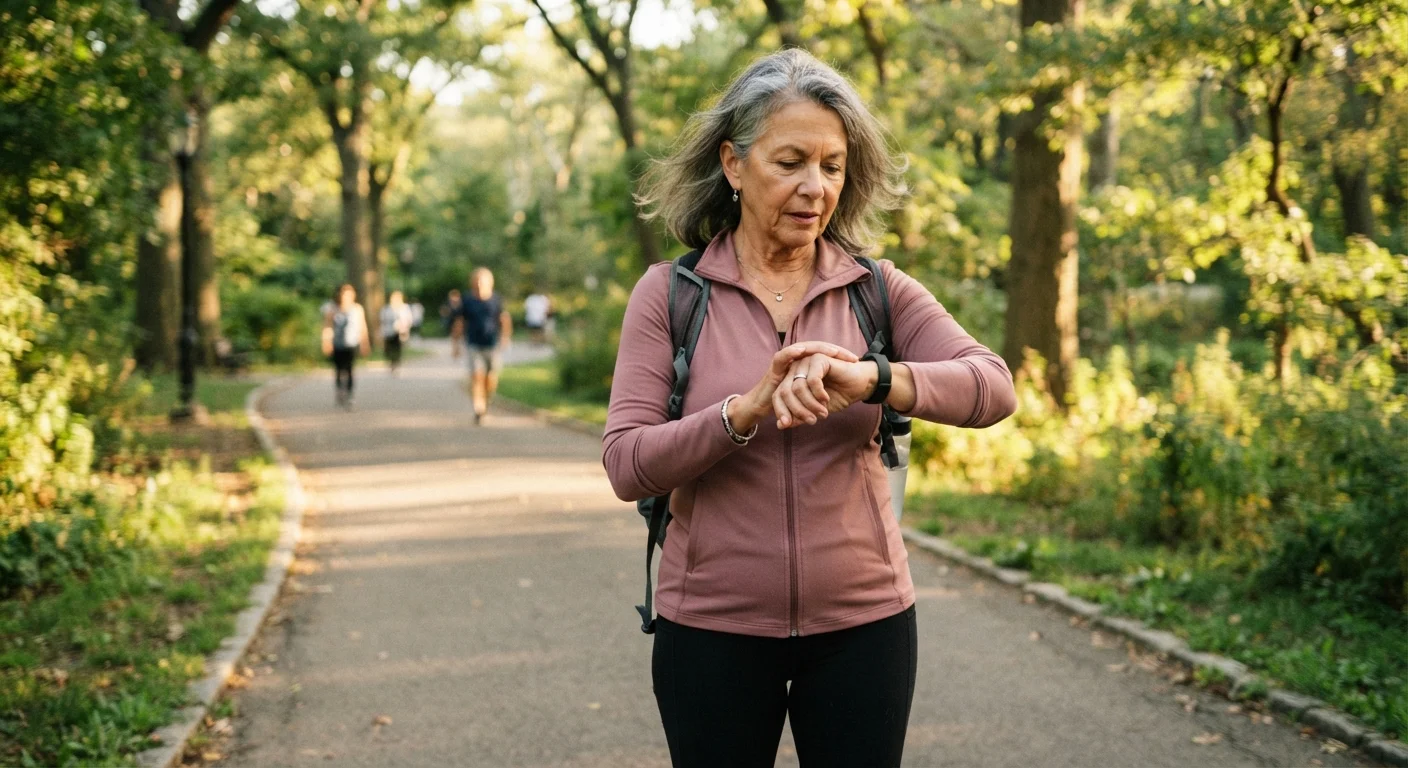
Signs Your Workout Routine Needs Adjusting as You Age
Pain, fatigue, and plateaus signal that a fitness plan may no longer fit your body's curre…
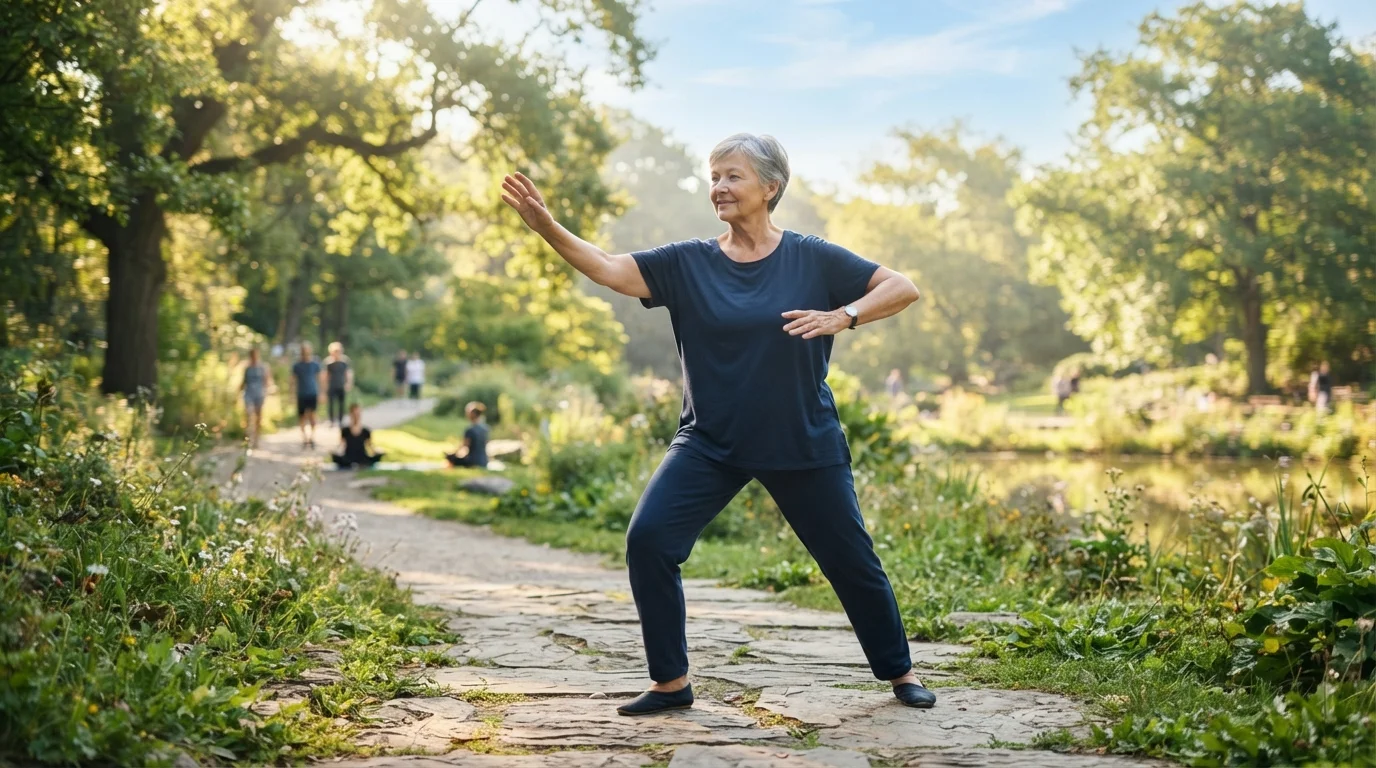
Staying Active With Arthritis: What Helps, What Hurts, and What the Evidence Shows
Arthritis doesn't mean giving up on movement. Learn which forms of exercise ease joint pai…
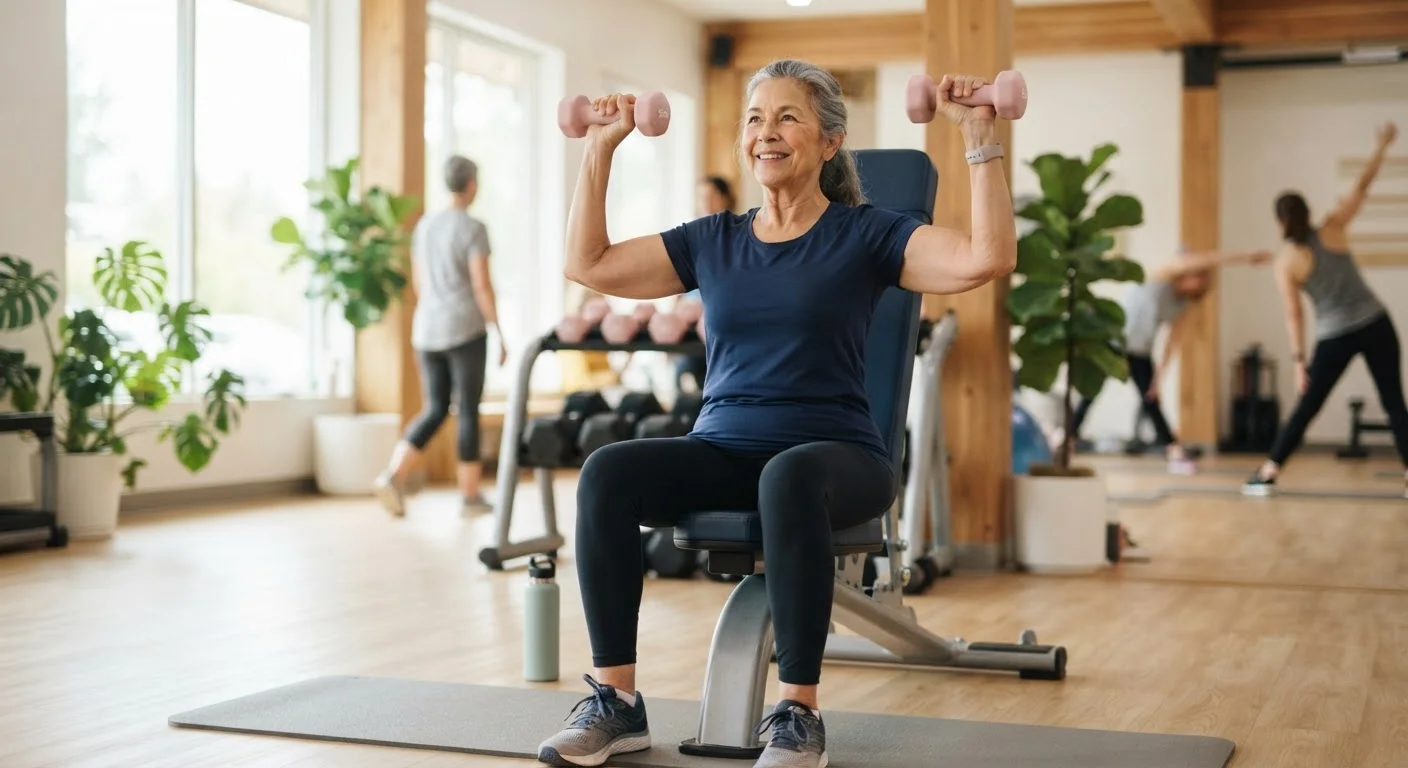
Strength Training in Your 60s, 70s, and Beyond: A Starting Point for Beginners
Never lifted weights before? This guide walks older adults through the fundamentals of res…
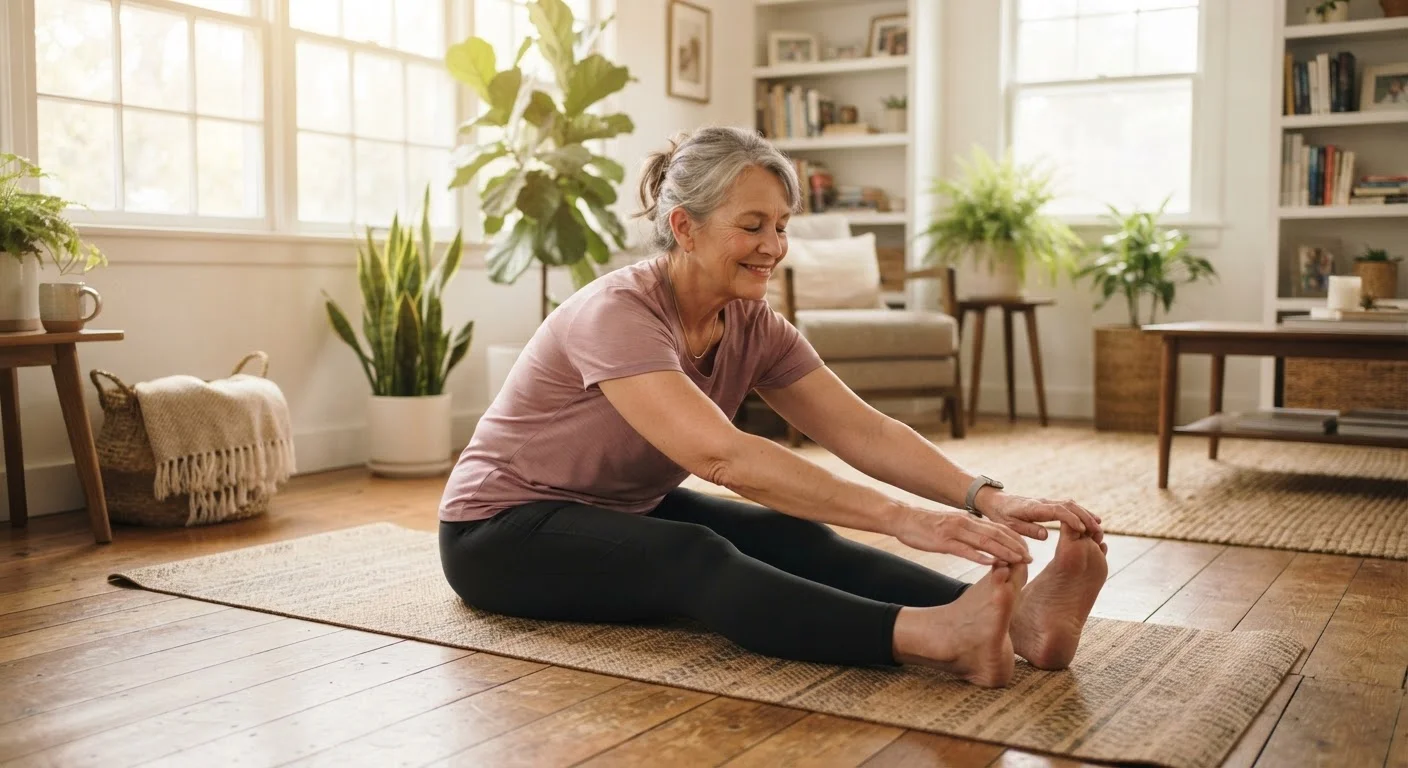
The Role of Flexibility and Mobility Work in Healthy Aging
Flexibility and mobility are often overlooked in older adult fitness plans. Here's why the…

Walking, Swimming, or Cycling: Which Cardio Habit Fits Older Adults Best?
Each low-impact cardio option offers distinct benefits for aging bodies. Here's how they c…
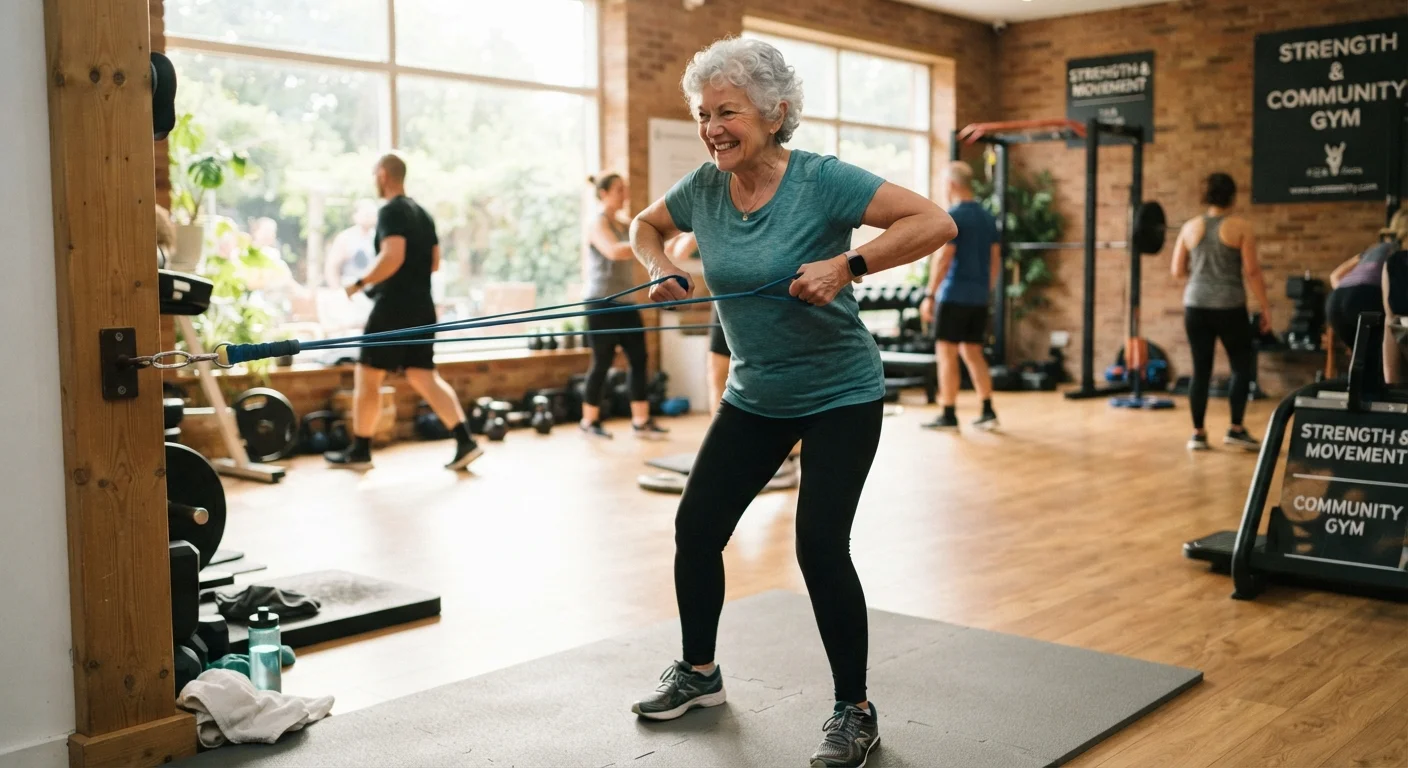
Why Muscle Loss Accelerates After 60 - and What Exercise Science Says About It
Sarcopenia isn't inevitable. Learn what research reveals about age-related muscle loss and…

Why Older Adults Quit Exercise Routines - and How to Build Habits That Last
Motivation fades, injuries happen, and routines collapse. Understanding the common drop-of…

Assuming Genetics Determine Everything: The Lifestyle Factors Research Shows Actually Matter
Many people overestimate heredity's role in lifespan. Research suggests modifiable behavio…

Building a Longevity-Friendly Routine From Scratch
New to longevity habits? This guide walks through the foundational lifestyle changes resea…
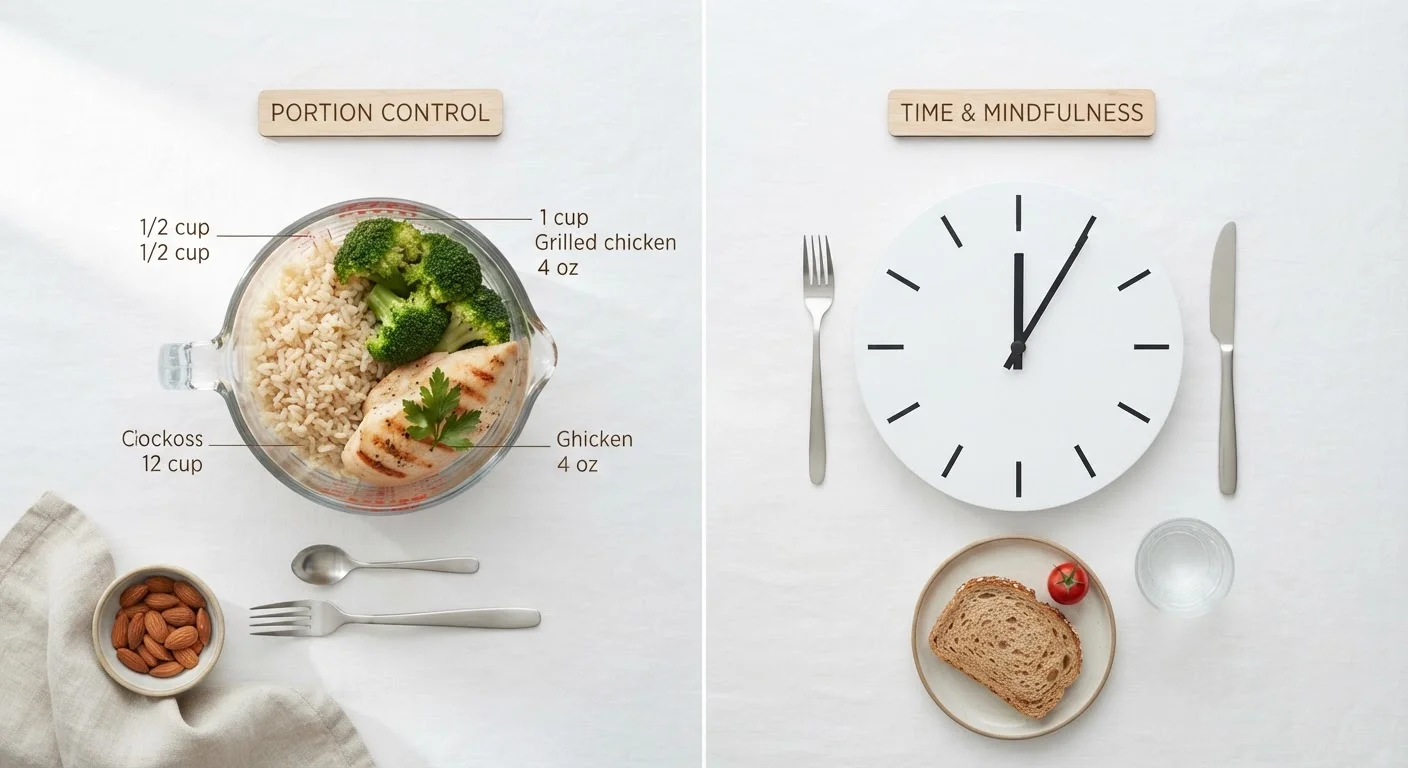
Caloric Restriction vs. Time-Restricted Eating: Different Paths, Different Evidence
Both approaches are studied for longevity benefits, but they work differently. Compare wha…
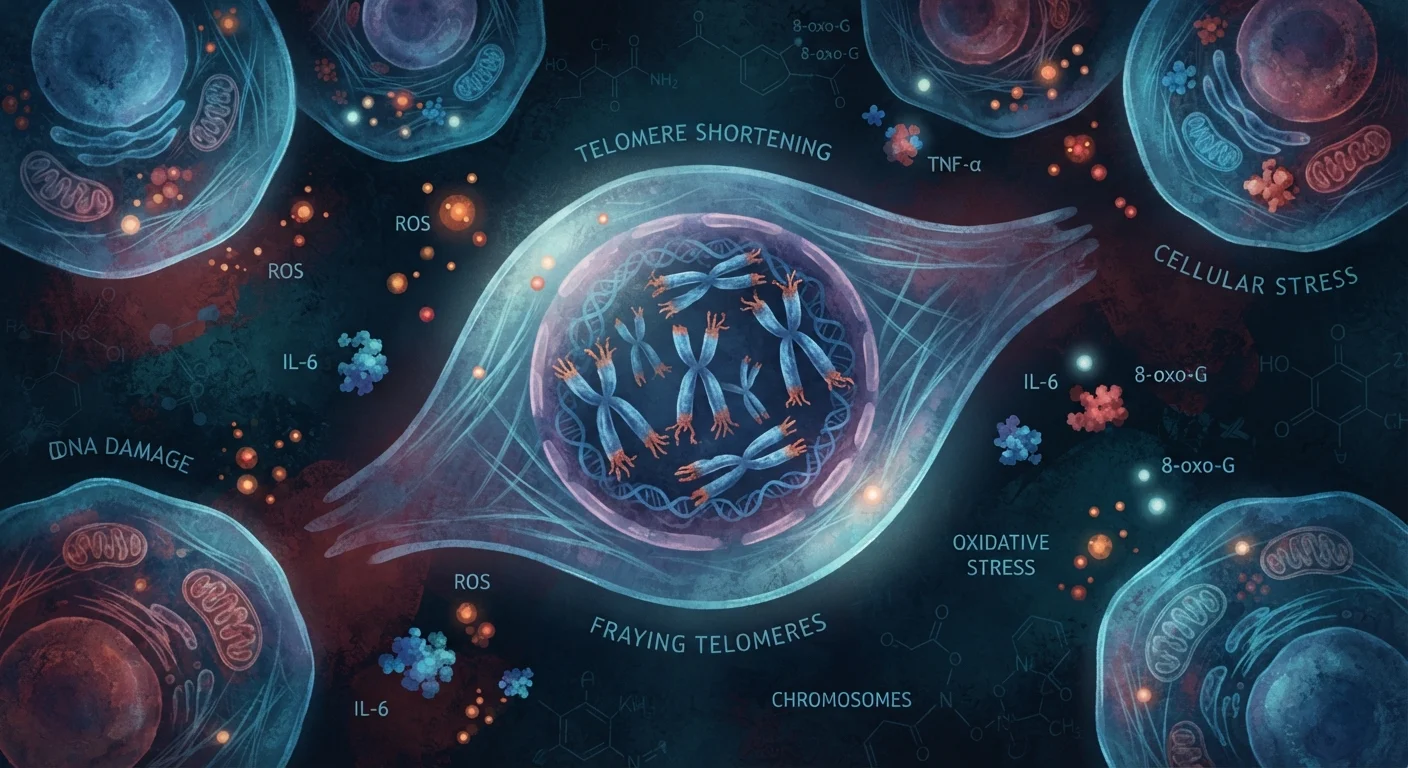
Chronic Stress and Cellular Aging: How Prolonged Tension Affects Your Body Over Time
Chronic stress influences telomere length, inflammation, and disease risk. Here's a plain-…
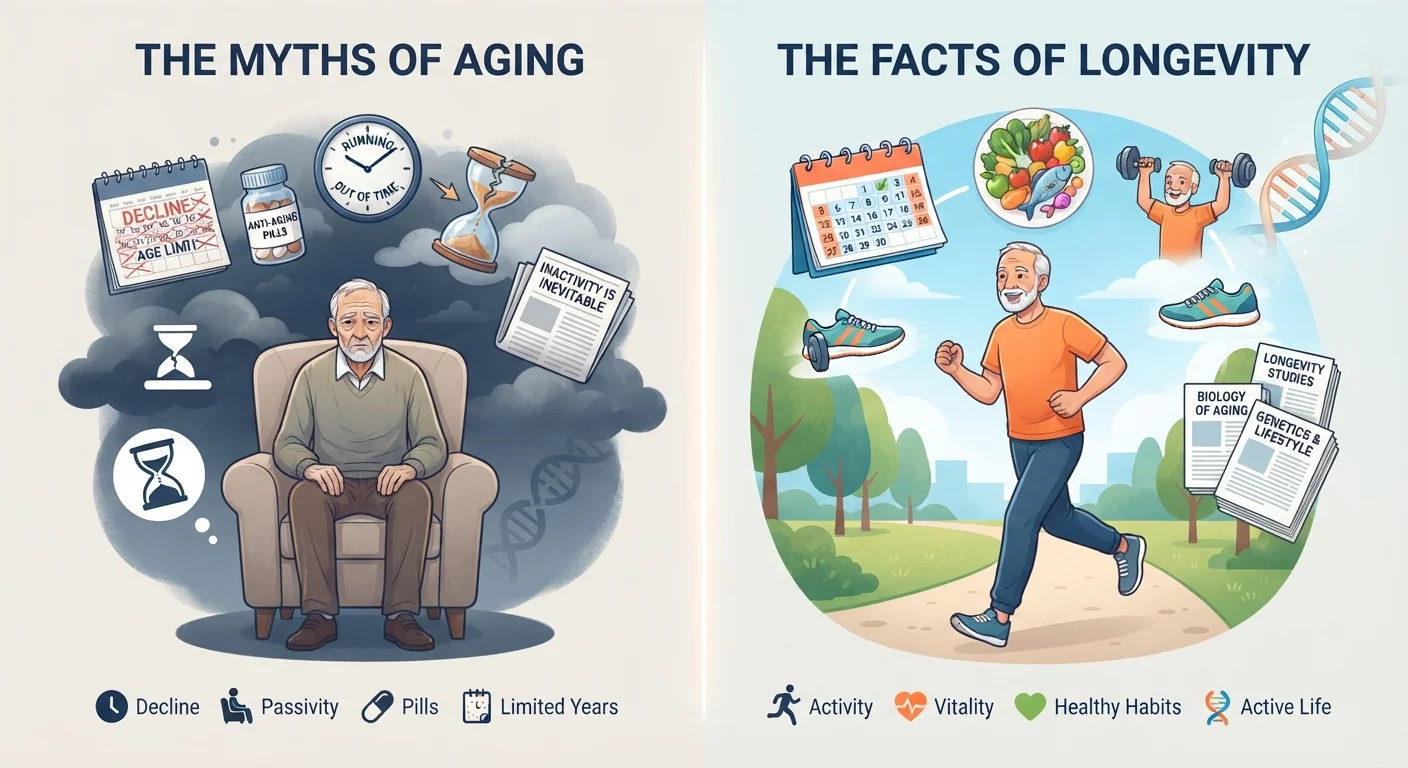
Common Longevity Myths That Science Has Largely Moved Past
From detox cleanses to extreme calorie restriction, some popular longevity ideas don't hol…

Daily Habits Tied to a Longer Life, According to Population Studies
A curated look at the lifestyle behaviors consistently linked to longer lifespans in large…

Longevity Eating Patterns: How Mediterranean, DASH, and Plant-Forward Diets Compare
Multiple dietary patterns are linked to longer, healthier lives. See how they differ in st…

Purpose, Meaning, and Longevity: What Researchers Have Found About Having a Reason to Get Up
Studies in several populations suggest a sense of purpose correlates with lower mortality …

Social Connection and Lifespan: The Biology of Loneliness and Belonging
Isolation is associated with measurable health risks. Learn what research says about how r…
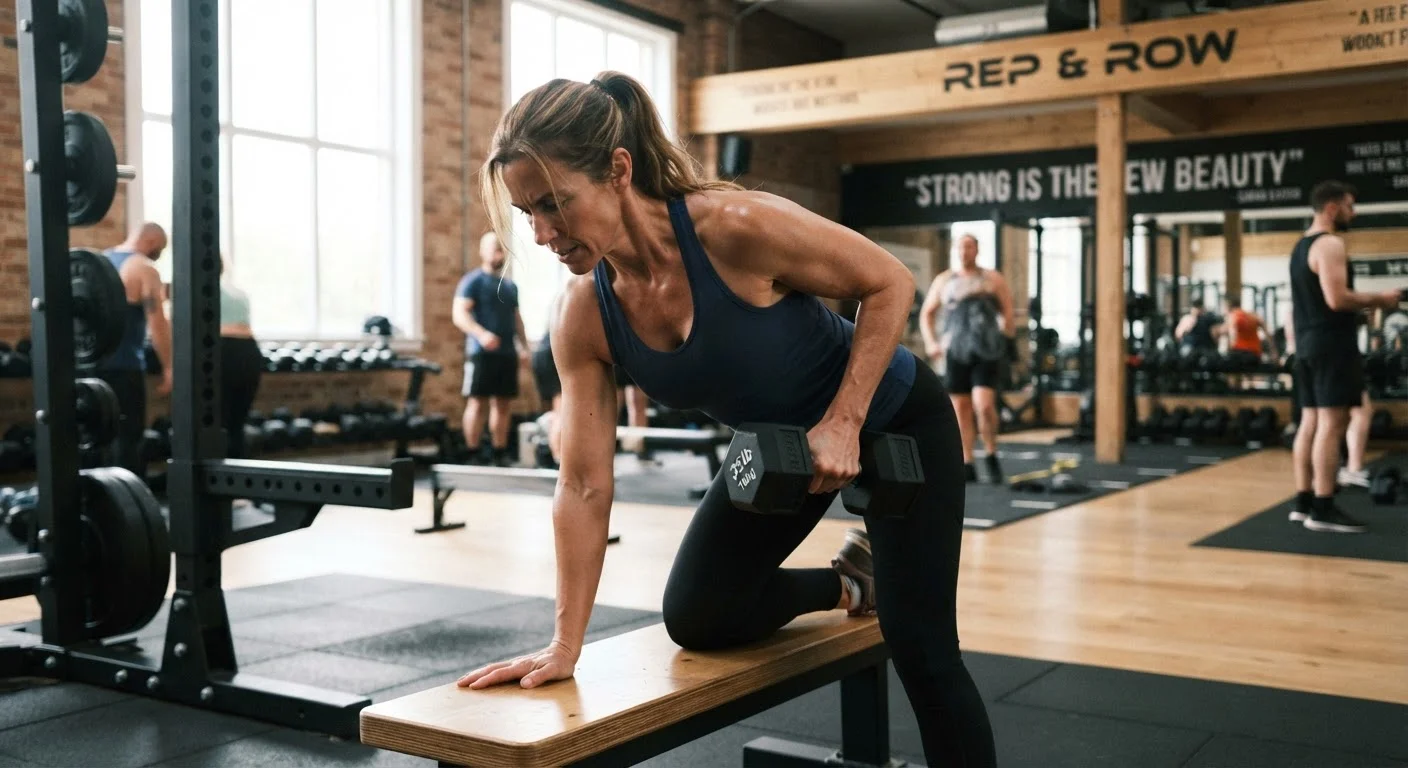
Strength Training After 40: What Changes and Why It Still Matters
Muscle mass naturally declines with age, but resistance training can slow that process. Un…

The Longevity Habit Audit: A Weekly Lifestyle Checklist
Use this research-informed checklist to review the key lifestyle behaviors associated with…

The Science Behind Living to 100: What Longevity Research Actually Shows
Explore what decades of longevity research reveal about the habits, genes, and environment…

Translating Blue Zone Research Into an Everyday American Lifestyle
Blue Zone communities share common lifestyle traits linked to longevity. Here's how those …

Why Sleep May Be the Most Underrated Longevity Tool You Have
Research increasingly links sleep quality and duration to cellular aging, chronic disease …

Zone 2 Cardio vs. High-Intensity Training: Which Does More for Healthy Aging?
Low-intensity steady cardio and vigorous interval training both have longevity advocates. …