

Key Takeaways
- Stress triggers an ancient survival system that can't easily distinguish real danger from perceived pressure.
- Cortisol and adrenaline are the primary hormones that drive overwhelming physical stress symptoms.
- Chronic activation of the stress response — without recovery — has measurable effects on health.
- Simple, consistent practices can help regulate the stress response without clinical intervention.
- Understanding the biology of stress is itself a powerful step toward managing it.
The Stress Response
The stress response is your brain and body's automatic reaction to any perceived threat or demand. It triggers a cascade of hormonal and physical changes designed to help you respond quickly to danger. This system evolved over thousands of years to keep humans alive — but it fires the same way whether you're facing a predator or a difficult email.
Also called the hypothalamic-pituitary-adrenal (HPA) axis response, this system coordinates the release of cortisol and adrenaline from the adrenal glands, preparing the body for rapid action.
Your Brain Treats a Deadline Like a Predator
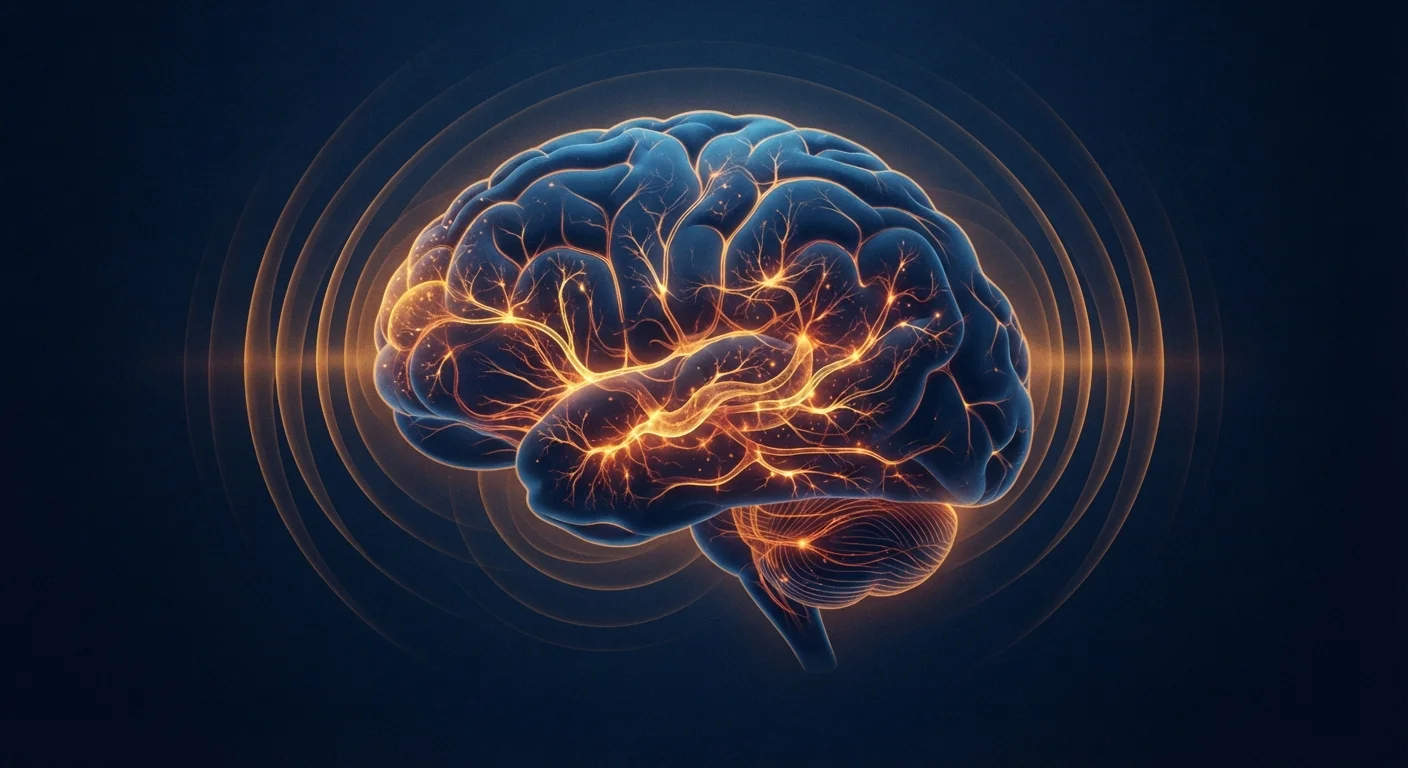
When your boss sends a last-minute request or an unexpected bill arrives, your brain doesn't pause to evaluate the actual danger level. Instead, a small, almond-shaped structure called the amygdala — your brain's threat-detection center — fires an alarm. Within milliseconds, your hypothalamus signals the adrenal glands to flood your body with cortisol and adrenaline.
Heart rate rises. Breathing quickens. Muscles tense. Blood flow is redirected away from digestion toward your limbs. This is the classic fight-or-flight response, and it was designed to help your ancestors sprint from predators or fight for survival. The problem is that your nervous system hasn't updated its threat library. It responds to social humiliation, financial worry, and chronic overwork with the same urgency it would a physical attack.
To learn more about the specific hormones fueling this cascade, see our breakdown of cortisol and adrenaline.
77%
Americans reporting physical symptoms of stress
According to the American Psychological Association's Stress in America survey, a large majority of U.S. adults regularly experience physical symptoms linked to stress, such as fatigue and headaches.
~20 min
Time for cortisol to peak after a stressor
Research in psychoneuroendocrinology shows cortisol typically peaks 15–20 minutes after a stressor begins, then gradually declines if the threat is removed.
3x
Increased sick days among highly stressed workers
Workplace stress research has consistently linked chronic occupational stress to significantly higher rates of absenteeism and health-related productivity loss.
Why Modern Stressors Are Uniquely Draining
Ancient stressors were usually short-lived. You fled the danger, or you didn't. Either way, the threat resolved and your body recovered. Modern stressors rarely work that way. A job conflict doesn't end in minutes — it can simmer for days. Financial pressure doesn't vanish after one burst of effort. Social anxiety doesn't disappear when you leave the room.
This means the stress response, which was never meant to stay on, gets stuck in a low-grade "on" position. Researchers refer to the cumulative wear this places on the body as allostatic load — essentially, the biological cost of chronic stress. Over time, elevated cortisol can disrupt sleep, dampen mood, affect memory, and influence immune function. Our article on why stress never fully switches off explores this in depth.
Stress and the Immune System
Chronic stress doesn't just affect your mood — it can also influence immune function. Prolonged cortisol elevation has been shown to suppress certain immune responses, making the body more vulnerable over time. Our article on chronic stress and the immune system explains the biological link in plain language.
What Overwhelm Actually Feels Like in the Brain
When stress peaks, many people describe a sense of mental shutdown — difficulty thinking clearly, making decisions, or even speaking coherently. There's a neurological reason for this. High cortisol levels temporarily reduce activity in the prefrontal cortex, the part of your brain responsible for rational thinking, planning, and emotional regulation.
In short, the very tools you need to manage stress are the ones stress impairs most. This is why telling yourself to "just calm down" rarely works in the moment — your brain is literally operating in a different mode. The good news is that this shift is temporary and reversible. Slow, deliberate breathing can activate the parasympathetic nervous system — often called the "rest and digest" system — and begin to counteract the alarm state within minutes.
For a broader look at how these mechanisms interact, our comprehensive stress management guide covers both the science and practical strategies in one place.
“The problem is not stress itself — it is the absence of recovery. Stress without recovery is what wears the system down.”
— Robert Sapolsky, Neuroendocrinologist and author of 'Why Zebras Don't Get Ulcers'
Simple Ways to Work With Your Stress Wiring
Understanding that your stress response is a biological system — not a personal weakness — opens the door to more compassionate, effective coping. Here are approaches grounded in behavioral science:
- Slow your exhale. Extending your out-breath (for example, inhaling for 4 counts and exhaling for 6–8) stimulates the vagus nerve and activates the parasympathetic nervous system. Even a few minutes can begin shifting your body's state.
- Name what you're feeling. Research in affective neuroscience suggests that labeling an emotion — "I feel overwhelmed" — reduces amygdala activation. This is sometimes called "affect labeling."
- Move your body. Physical activity helps metabolize excess cortisol and adrenaline. Even a short walk can interrupt the stress cycle.
- Create micro-recoveries. Brief, intentional pauses throughout the day — stepping outside, a few minutes of quiet — prevent stress from compounding into overwhelm.
It's also worth examining the beliefs you hold about stress itself. Some common assumptions actually make it harder to cope — our stress myths article unpacks several of them with research to back it up.
This article is for general informational purposes only and does not constitute medical advice. If stress is significantly affecting your daily life, please consult a qualified healthcare professional.