

Key Takeaways
- Cooking method dramatically affects flavor — roasting and sautéing often convert vegetable skeptics.
- Pairing vegetables with familiar, satisfying flavors lowers the psychological barrier to eating them.
- Gradual exposure and habit stacking make vegetable eating sustainable without forcing restriction.
- Texture is often the real objection — identifying it helps you find preparations you actually tolerate.
- A well-arranged kitchen reduces friction and makes reaching for vegetables the path of least resistance.
What you will need
Why Vegetable Aversion Is More Common Than You Think
Most adults who struggle to eat vegetables aren't being stubborn — there are real biological and experiential reasons behind food preferences. Some people are more sensitive to bitter compounds like phytonutrients found in cruciferous vegetables such as broccoli, Brussels sprouts, and kale. Others developed aversions from overcooked, unappetizing vegetables served during childhood. Neither situation is a character flaw, and neither is permanent.
Understanding this matters because the solution isn't simply to 'try harder' or force yourself through foods you find unpleasant. It's to find the specific preparation, pairing, or entry point that makes vegetables tolerable — and then gradually buildable — for you as an individual.
Avoid an All-or-Nothing Mindset
Framing vegetable eating as something you must master completely can backfire. Eating some vegetables — even imperfectly, even hidden in other dishes — is meaningfully better than eating none. Progress is more important than perfection, and there's no single 'right' way to include vegetables in your diet.
What You'll Need Before You Start
No special equipment or culinary skill is required to follow these strategies. A basic kitchen setup is sufficient. Before working through the steps, it helps to have a few things in place:
What you will need
Sheet pan or baking tray
Used for roasting vegetables at high heat, which caramelizes natural sugars and improves flavor significantly.
Skillet or sauté pan
Allows you to cook vegetables quickly over high heat, adding browning and depth without extended prep time.
Sharp chef's knife
Uniform cuts help vegetables cook evenly and make them more visually appealing on the plate.
Food processor or blender
Useful for blending vegetables into sauces, soups, or dips where texture is less of a concern.
Step-by-Step: Building a Vegetable Habit That Sticks
The following steps are designed to be worked through progressively, though you can adapt the order based on what's most relevant to your situation. Each step builds on the last, moving from self-awareness through practical technique to longer-term habit formation.
Identify what specifically bothers you about vegetables
Disliking vegetables is rarely one-size-fits-all. For many people, the real objection is texture — mushy broccoli or slimy cooked spinach — rather than flavor itself. For others, bitterness is the issue. Take a moment to pinpoint what puts you off: Is it the smell when cooking? A particular mouthfeel? A bitter aftertaste? Knowing the actual obstacle helps you choose the right fix instead of guessing.
Start with mild, naturally sweet vegetables
Not all vegetables carry the same bitterness or intensity. Corn, peas, carrots, roasted red bell peppers, and butternut squash tend to be well-tolerated by people who find other vegetables off-putting. These have a natural sweetness that makes them easier entry points. Build confidence with vegetables that meet you closer to your current preferences before expanding.
Change your cooking method
Boiling is often the worst method for reluctant vegetable eaters — it can amplify bitterness and create soft, watery textures. Instead, try:
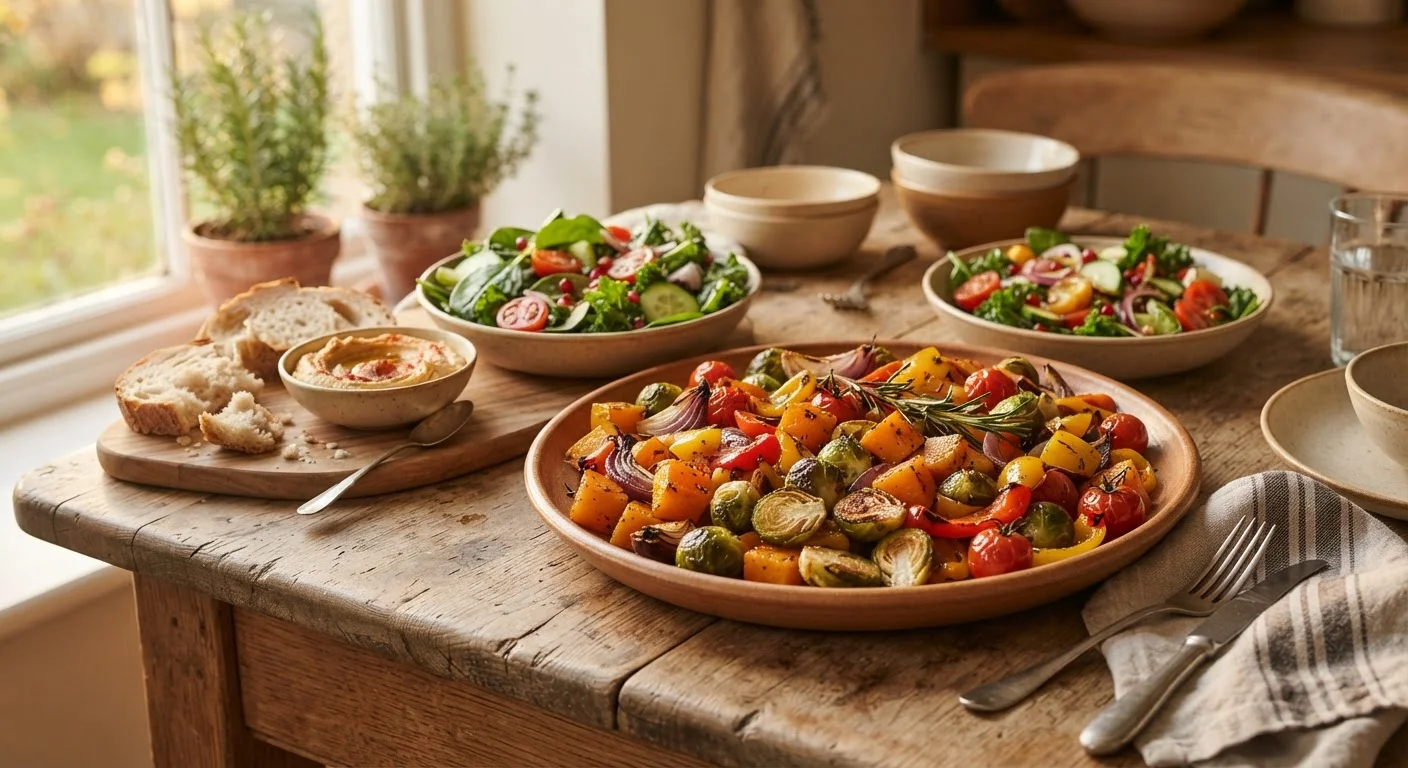
- Roasting at 400–425°F: High heat caramelizes natural sugars, producing savory, slightly crispy edges.
- Sautéing in a hot skillet with a small amount of oil: Quick and creates browning without waterlogging.
- Raw with dip: Crisp carrots, celery, or cucumber with hummus or a yogurt-based dip often appeal to texture-sensitive eaters.
The same vegetable can taste remarkably different depending on how it's cooked.
Pair vegetables with flavors you already enjoy
Vegetables don't have to stand alone. Combine them with ingredients your palate already welcomes: garlic, lemon juice, cheese, a favorite sauce, or spices you use regularly. Adding roasted garlic to broccoli, tossing zucchini into pasta, or blending spinach into a smoothie with fruit you enjoy are all legitimate approaches. The goal is to lower the perceived risk of eating something unfamiliar or unpleasant.
Use habit stacking to add vegetables to meals you already make
Habit stacking means attaching a new behavior to an existing one. If you already make scrambled eggs most mornings, add a handful of spinach or diced peppers to the pan. If you eat sandwiches for lunch regularly, add a layer of sliced cucumber or shredded lettuce. You're not overhauling your diet — you're slightly expanding a habit that's already in place. This approach is more sustainable than trying to replace meals you enjoy.
Build your kitchen environment to support the habit
Your surroundings influence what you eat more than motivation does. Making vegetables visible, accessible, and ready to eat significantly reduces the friction of choosing them. See how to arrange your kitchen to support better habits for practical strategies on food placement and prep. When vegetables are washed, cut, and at the front of the fridge, you're far more likely to reach for them.
Repeated Exposure Does Matter
Research in food preference suggests that repeated, low-pressure exposure to a food can gradually increase acceptance of it over time. You don't need to love a vegetable the first time — or even the fifth. Continuing to include small amounts alongside foods you enjoy is a legitimate strategy, not a last resort.
What to Expect as You Build the Habit
Change in food preferences is generally slow and nonlinear. You may find one preparation method you genuinely like and stick with it for months — that's a success, not a limitation. Over time, your palate can shift, especially as you repeatedly encounter vegetables in lower-stakes, pleasurable contexts alongside foods you already enjoy.
Don't measure progress by whether you love vegetables — measure it by whether you're including them more consistently than before. Even modest increases in vegetable consumption contribute to a more nutritionally varied diet. If you're building out your kitchen environment to make healthy choices easier, stocking your kitchen strategically can reinforce the habits you're developing here.
This Is General Nutrition Information
The strategies in this article are general approaches to improving dietary habits and are not a substitute for personalized medical or nutrition advice. If you have specific health conditions, dietary restrictions, or concerns about your nutrition, consult a registered dietitian or qualified healthcare provider.
This article is for general informational and educational purposes only and does not constitute medical or dietary advice. Consult a qualified healthcare professional for guidance tailored to your individual health needs.