

Key Takeaways
- Blue light from screens does suppress melatonin, but its real-world impact on sleep is often modest.
- Mental stimulation and emotional arousal from content are frequently bigger sleep disruptors than blue light itself.
- Night mode and blue-light glasses show limited evidence for meaningfully improving sleep outcomes.
- Consistent wind-down routines matter more than eliminating screens entirely.
- Individual sensitivity to evening light varies significantly — context and content type matter most.
Why Screen Time Gets So Much Blame
Evening screen use has become one of the most cited sleep villains in popular health coverage. The logic seems airtight: screens emit blue-wavelength light, blue light suppresses melatonin, melatonin helps you fall asleep — therefore, screens wreck your sleep. But sleep science is rarely that tidy.
The real picture involves multiple overlapping mechanisms, and not all of them are equally significant for every person. Understanding which risks are well-supported — and which have been somewhat overstated — helps you make smarter decisions rather than just anxious ones. For a broader look at sleep misconceptions, see common sleep myths that keep Americans up at night.
Myth
Blue light from screens is the primary reason phones and tablets disrupt sleep.
Fact
Blue light is a contributing factor, but cognitive and emotional arousal from screen content is often a more significant disruptor.
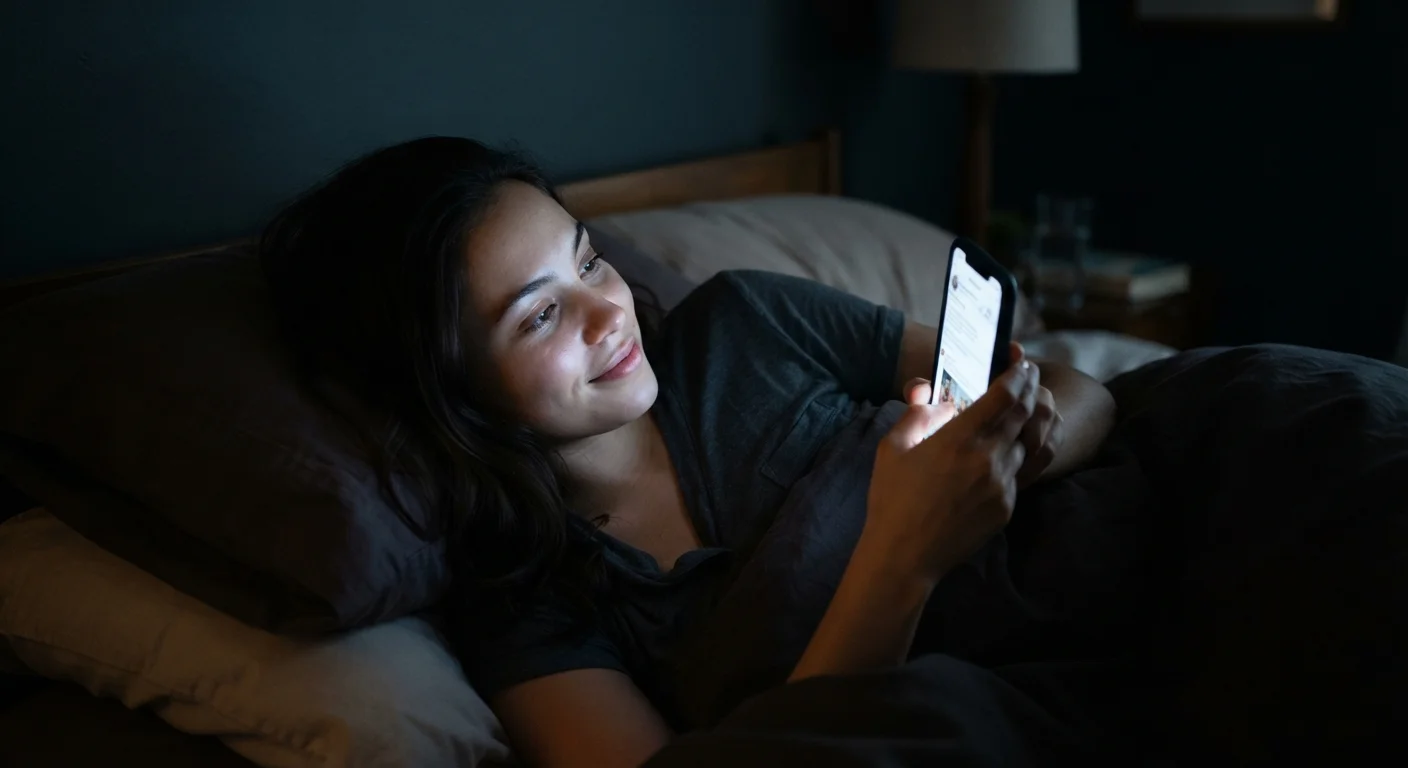
Research does confirm that short-wavelength (blue) light can suppress melatonin and shift circadian timing. However, studies examining realistic screen use — actual devices, actual content, actual usage durations — find that the melatonin suppression from typical evening phone use is relatively modest compared to, say, bright overhead lighting. The mental engagement, stress, or excitement generated by the content you're consuming may delay sleep onset more reliably than photons alone.
Myth
Night mode or "warm tone" display settings will protect your sleep.
Fact
Evidence for night mode meaningfully improving sleep quality is weak; behavioral changes around content and timing show stronger effects.
Several controlled studies have found little significant difference in melatonin levels or sleep quality between participants using standard display settings versus night mode filters. While reducing blue light emission is not harmful, treating these settings as a reliable sleep solution may give people false confidence while the more impactful variables — content type, duration, and bedtime consistency — go unaddressed.
Myth
Blue-light-blocking glasses are an evidence-backed tool for better sleep.
Fact
The research on blue-light glasses for sleep improvement is mixed, and several well-designed trials have found limited benefit.
Blue-light-filtering glasses have grown into a popular consumer category, but the clinical evidence has not kept pace with the marketing. Some studies report small improvements in sleep onset or subjective sleep quality; others find no statistically significant effect. Researchers note that methodological variation across trials makes firm conclusions difficult. For most people, behavioral strategies — managing content, reducing overall stimulation, keeping a consistent schedule — are better-supported approaches.
Myth
You should eliminate all screen use in the hour before bed.
Fact
A blanket ban is not well-supported by evidence; content type, personal sensitivity, and overall routine matter considerably more.
The "no screens one hour before bed" rule is widely repeated, but it oversimplifies the evidence. Reading a calm e-book in night mode at low brightness, for instance, may have little meaningful effect on sleep for many people — particularly compared to the psychological benefit of a relaxing activity they enjoy. Individual circadian sensitivity to light also varies. What the evidence more consistently supports is avoiding high-stimulation content, keeping device brightness low in dim rooms, and not letting screens displace sleep time itself.
Myth
Watching TV in bed is roughly the same as scrolling on a phone.
Fact
Device type, viewing distance, screen brightness, and content interactivity all produce meaningfully different exposures and arousal levels.
A television watched from across a dimly lit room delivers far less direct light to the eyes than a smartphone held inches from the face. Phone use also tends to be interactive — triggering replies, reactions, and notifications — which elevates alertness in ways passive TV viewing typically does not. Lumping all "screen time" together obscures these distinctions and can make practical guidance less useful. The trade-offs of evening screen use depend heavily on how, not just whether, devices are used.
What Actually Disrupts Sleep Most
Among the mechanisms researchers study, mental and emotional arousal from content consistently appears as a meaningful factor. Engaging with stressful news, heated social media exchanges, or suspenseful video content activates the nervous system in ways that delay sleep onset — regardless of the light emitted. This aligns with broader findings on how stress physiology interferes with sleep, explored in depth in why stress is sabotaging your sleep.
~30%
U.S. adults reporting insufficient sleep
The CDC has consistently found roughly 1 in 3 American adults report sleeping less than the recommended 7 hours per night.
2+ hours
Average nightly screen time before bed
Survey data from the National Sleep Foundation suggests many Americans use devices for two or more hours in the hour before they intend to sleep.
~10 min
Estimated melatonin delay from typical phone use
Some laboratory research suggests evening smartphone use at typical brightness levels may delay melatonin onset by roughly 10 minutes — less than many assume.
Timing and duration of use also matter. Prolonged screen engagement that simply delays when you get into bed — sometimes called "sleep displacement" — may be a more consistent predictor of poor sleep than light exposure alone. Watching one calm episode before bed in a dimmed room is a very different scenario than scrolling through social media for two hours after your intended bedtime.
Environmental factors compound these effects. Screens in a brightly lit room, or held close to the face, increase light exposure more than screens used at a distance in dim conditions. Light, temperature, and sound all shape sleep quality — and screen light is just one piece of that puzzle.
Sleep Displacement Is Easy to Underestimate
One of the most consistent findings in screen-and-sleep research is that devices delay the actual time people go to bed, even when they plan to stop earlier. This "sleep displacement" compounds over a week and can meaningfully affect daytime functioning. Tracking the time you actually put your device down — versus when you intended to — can be a useful reality check.
A consistent pre-sleep routine that signals the brain to wind down carries meaningful support in sleep research. This doesn't require banning screens; it means being intentional about content type, brightness, and the time you genuinely intend to stop. For a comprehensive framework, the full picture on sleep hygiene offers a grounded starting point.
This article is for general informational purposes only and does not constitute medical advice. If you have persistent sleep difficulties, consult a qualified healthcare professional.