

Key Takeaways
- The gut hosts the majority of the body's immune cells, so microbiome disruption has system-wide consequences.
- Diet, antibiotics, stress, and sleep are among the most common and modifiable gut disruptors.
- Early signs of gut-immune imbalance are often subtle — fatigue, bloating, and frequent illness can all be indicators.
- Dysbiosis does not always cause obvious digestive symptoms; immune changes may appear first.
- Recognizing these signs is a starting point for conversation with a healthcare provider, not self-diagnosis.
Summary
18 items · 10–20 minutes
Why the Gut-Immune Balance Matters
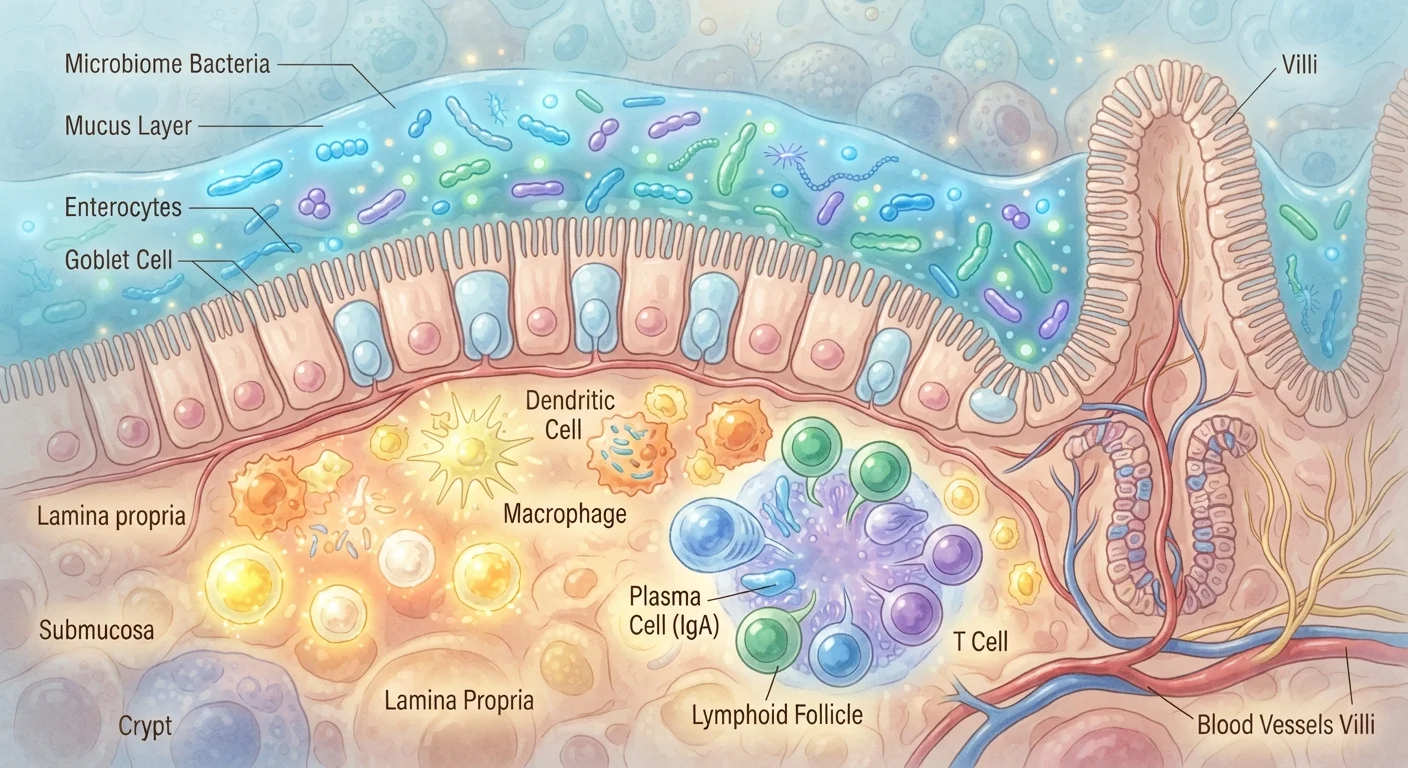
The gut is far more than a digestive organ. As explored in our guide to the gut-immune connection, roughly 70% of the body's immune cells reside in or around the gastrointestinal tract. The trillions of microorganisms that make up the gut microbiome — bacteria, fungi, and viruses collectively — actively train and regulate those immune cells from infancy onward.
When this microbial community is diverse and stable, it helps calibrate immune responses: strong enough to fight genuine threats, restrained enough to avoid attacking the body's own tissues. When the balance tips — a state researchers call dysbiosis — immune function can shift toward chronic low-grade inflammation, heightened allergic reactivity, or reduced ability to fend off pathogens. For a deeper look at that inflammatory link, see our piece on gut bacteria, inflammation, and immunity.
The checklist below is designed to help you audit the most common disruptors and recognize early signals that your gut-immune axis may be under stress. It is a tool for self-awareness and informed conversation with a clinician — not a diagnostic instrument.
This Checklist Is Not a Diagnostic Tool
Dysbiosis and gut-immune imbalance are not conditions you can reliably self-diagnose based on symptoms alone. Many signs listed here overlap with other health issues. Use this checklist to identify patterns worth raising with a qualified healthcare professional — not to draw conclusions about your own diagnosis or treatment.
Common Disruptors of Gut-Immune Balance
Many everyday factors influence the composition and function of the microbiome. Some are well-established through research; others are areas of active investigation. The following checklist groups the most documented disruptors so you can reflect on your own exposures.
Dietary Patterns
Medication and Substance Exposures
Stress and Sleep
Immune and Digestive Warning Signs
Antibiotic use deserves particular attention. While antibiotics are life-saving medicines, they are broadly disruptive to gut bacteria — reducing microbial diversity and creating conditions that allow opportunistic species to flourish. Our article on how antibiotic use affects immunity through the gut examines this in detail.
Never Stop or Avoid Prescribed Medications
If your healthcare provider has prescribed antibiotics or another medication, complete the course as directed. The microbiome disruption associated with necessary medications does not mean you should avoid or discontinue treatment. Always discuss concerns about specific medications with your prescribing clinician before making any changes.
Signs Worth Paying Attention To
Gut-immune disruption does not always announce itself through classic digestive symptoms. Some people experience primarily immune-related signals — recurring infections, slow wound healing, or heightened allergic responses — while gut symptoms remain mild or absent. Others notice digestive changes first. The signs your gut microbiome may be out of balance article covers the digestive side in more depth; here we focus on the broader picture of what warrants attention.
Symptom Journal
A simple written or app-based log helps you track digestive symptoms, immune events, and lifestyle factors over time — making patterns visible to both you and your clinician.
Food and Fiber Tracker
Recording daily food intake for one to two weeks helps identify dietary patterns — particularly low fiber or high ultra-processed food consumption — that may be affecting microbiome health.
Medication and Supplement List
A current, complete list of all medications (prescription and over-the-counter) and supplements allows your healthcare provider to identify substances that may be influencing gut balance.
If several items on the checklist describe your recent experience, that is not cause for alarm — but it is a reasonable prompt to discuss your gut health with a qualified healthcare provider. Early awareness gives you and your clinician the most options.
This article is for general informational and educational purposes only and does not constitute medical advice. Always consult a qualified healthcare professional regarding any health concerns, symptoms, or before making changes to your health routine. Visit our Gut Health Basics hub for more foundational context.