

Key Takeaways
- Acute stress is short-term and can enhance performance; chronic stress is prolonged and damages health over time.
- The body's stress hormones, including cortisol and adrenaline, are designed for temporary surges — not sustained elevation.
- Chronic stress is linked to immune suppression, cardiovascular strain, and changes in brain structure.
- Recognizing which type of stress you're experiencing helps you choose the right management strategy.
- Most daily stress management tools work best for acute stress; chronic stress often requires deeper lifestyle or professional support.
Option A
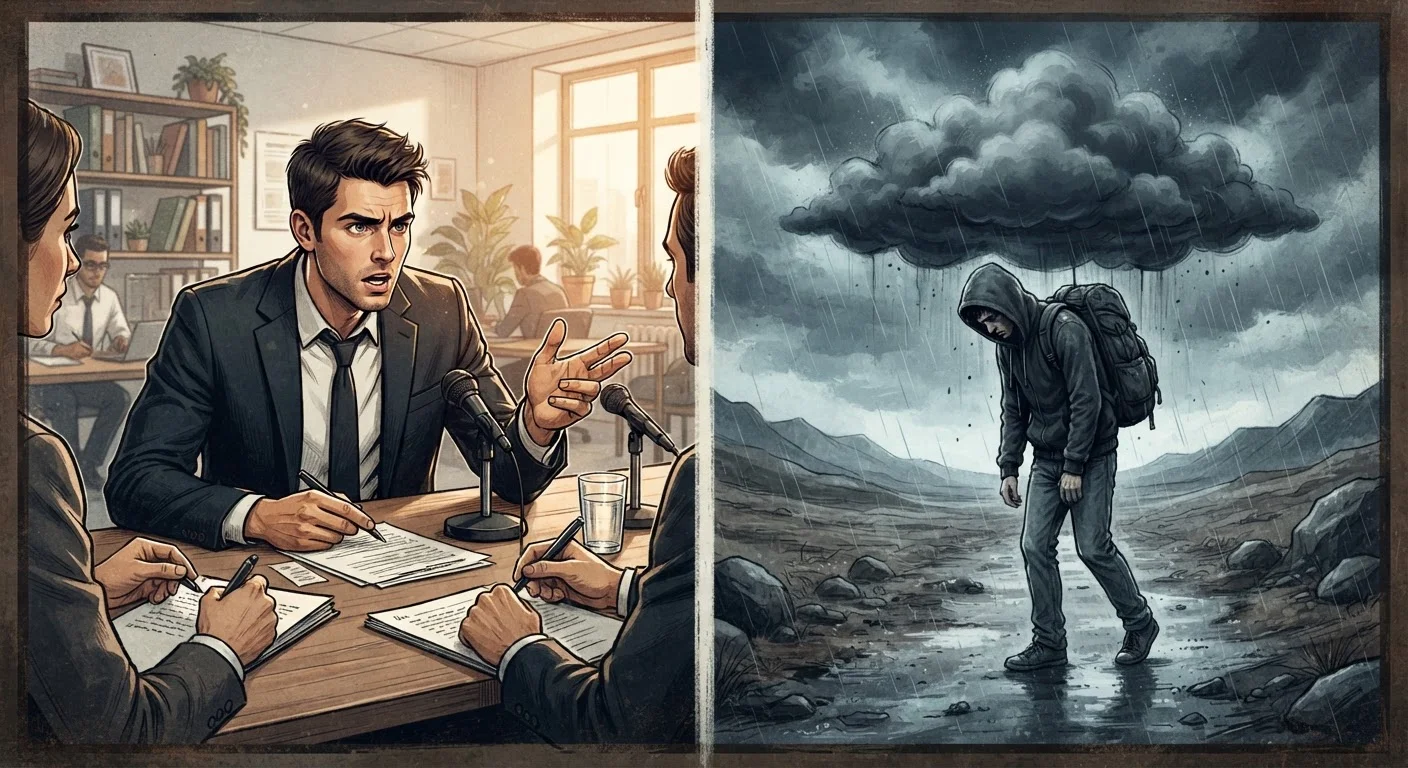
Acute Stress
The short-lived, purposeful alarm system.
Best for: Navigating immediate challenges — think deadlines, difficult conversations, or a sudden scare — where a burst of energy and focus is actually useful.
Option B
Chronic Stress
The prolonged, health-eroding burden.
Best for: Understanding what happens when the body's alarm never truly shuts off — and why that distinction is critical for long-term wellbeing.
If you feel stressed only around specific events or deadlines
Acute Stress
Situational stress that resolves on its own is a normal physiological response. Focus on in-the-moment techniques like controlled breathing to ride it out effectively.
If stress feels constant and you rarely feel fully at rest
Chronic Stress
Persistent, background-level stress warrants more sustained attention — from sleep hygiene and boundary-setting to speaking with a healthcare provider.
If you want to understand your body's signals before they escalate
Acute Stress
Learning to recognize acute stress early gives you the window to prevent it from compounding into the chronic variety through consistent recovery habits.
If you're concerned about long-term health consequences of ongoing tension
Chronic Stress
Chronic stress has measurable effects on the immune system, brain, and cellular aging. A qualified professional can help assess your individual risk and options.
What Each Type of Stress Actually Is
Stress is the body's built-in response to perceived threat or demand — but the word covers a wide range of experiences. Psychologists generally distinguish between two categories that operate very differently in the body and the mind.
Acute stress is immediate and time-limited. It's what you feel when your car skids on ice, when you're called on unexpectedly in a meeting, or when you're running two minutes late for a flight. The body mobilizes energy fast, heightens focus, and then — once the situation resolves — begins to settle. This is the stress response working exactly as evolution designed it.
Chronic stress is prolonged and often without a clear endpoint. It stems from ongoing pressures: financial insecurity, a difficult relationship, a demanding job with no relief in sight, or persistent caregiving responsibilities. Unlike acute stress, it doesn't have a natural resolution point. The body's alarm stays partially activated, day after day. To understand the hormones driving both experiences, see how cortisol and adrenaline shape the stress response.
| Criterion | Acute Stress | Chronic Stress |
|---|---|---|
| Duration | Short-lived; resolves with the stressor | Prolonged; persists over weeks or months |
| Hormonal response | Temporary cortisol and adrenaline surge | Sustained elevated cortisol levels |
| Typical causes | Deadlines, emergencies, one-time events | Ongoing financial, relational, or work pressures |
| Physical effects | Temporary; body returns to baseline | Cumulative; inflammation, immune and cardiovascular strain |
| Effect on performance | Can sharpen focus and motivation | Impairs memory, concentration, and decision-making |
| Recovery | Natural; occurs once stressor passes | Incomplete; requires deliberate lifestyle intervention |
| Management approach | Breathing, grounding, brief movement | Boundary-setting, sleep hygiene, professional support |
How Each Type Affects the Body
The key physiological difference comes down to duration. When you experience acute stress, the hypothalamic-pituitary-adrenal (HPA) axis activates, releasing hormones like adrenaline and cortisol. Heart rate rises, blood sugar spikes for quick energy, and non-essential functions like digestion temporarily slow. Once the stressor passes, these systems return to baseline — a process called allostasis.
With chronic stress, that return to baseline is incomplete or delayed. Cortisol levels stay elevated. Research suggests this sustained hormonal state contributes to inflammation, impairs immune function, disrupts sleep architecture, and can affect cardiovascular health over time. The link between prolonged stress and immune suppression is one of the most studied pathways in stress biology.
There's also evidence that chronic stress affects the brain structurally — particularly areas involved in memory and emotional regulation. You can explore what the research shows about stress and brain changes over time for a deeper look.
77%
Americans reporting physical symptoms of stress
According to the American Psychological Association's Stress in America survey, a large majority of adults report experiencing physical symptoms they associate with stress.
3x
Elevated cardiovascular risk with chronic stress
Research published in peer-reviewed cardiology literature suggests chronically stressed individuals may face meaningfully higher cardiovascular risk compared to low-stress peers, though individual factors vary widely.
~20 min
Time for cortisol to begin declining post-acute stressor
Studies on the stress hormone cortisol suggest levels begin to taper within roughly 20–30 minutes following an acute stressor when no new threat is perceived.
The Overlap — and Why It Gets Confusing
One reason people underestimate chronic stress is that it can look and feel similar to acute stress, at least at first. Both produce physical tension, irritability, and disrupted focus. The difference becomes clearer over time: acute stress has a story arc with a beginning and an end; chronic stress just… continues.
Another complication is that repeated acute stressors — a string of difficult weeks, a job with daily crises — can accumulate into something that starts to function like chronic stress. The body doesn't fully recover between episodes, and the cumulative load builds. Why stress sometimes never fully switches off is a useful way to understand that transition from manageable to chronic.
It's also worth noting that chronic stress and poor sleep tend to reinforce each other — something to consider if you've been struggling with rest. The distinction between acute sleep disruption and a more entrenched pattern mirrors what we see with stress itself. Understanding the difference between short-term sleep trouble and chronic insomnia can help you evaluate what's happening at night.
Practical Strategies That Match the Type of Stress
This distinction isn't just academic — it shapes what's actually helpful. For acute stress, in-the-moment tools are genuinely effective. Controlled breathing techniques (such as slow exhales that activate the parasympathetic nervous system), brief grounding exercises, or a short walk can help the body shift out of high-alert mode relatively quickly. These approaches work because the stress system is designed to respond to them when the stressor is temporary.
For chronic stress, short-term coping tools can provide relief, but they don't address the underlying load. What tends to help more sustainably includes: establishing consistent sleep and wake times, setting realistic boundaries around work or obligations, cultivating social connection, and building regular recovery time into daily life. How you emotionally process ongoing stress also matters — understanding whether your emotional style is reactive or regulated can offer meaningful insight here.
If chronic stress is significantly affecting your daily functioning, sleep, relationships, or physical health, speaking with a qualified mental health professional or physician is an important step. This article offers general information only and is not a substitute for personalized medical or psychological care.
When to Seek Professional Support
If you find that stress feels constant, is affecting your sleep or relationships, or is accompanied by persistent physical symptoms, it's worth talking to a healthcare provider or licensed mental health professional. Chronic stress is a recognized health concern, not a personal failing. Early support tends to lead to better outcomes than waiting until the burden becomes overwhelming.
This article is for informational purposes only and does not constitute medical or psychological advice. Always consult a qualified healthcare professional for concerns about your personal health.