

Fitness & Movement Editorial Team
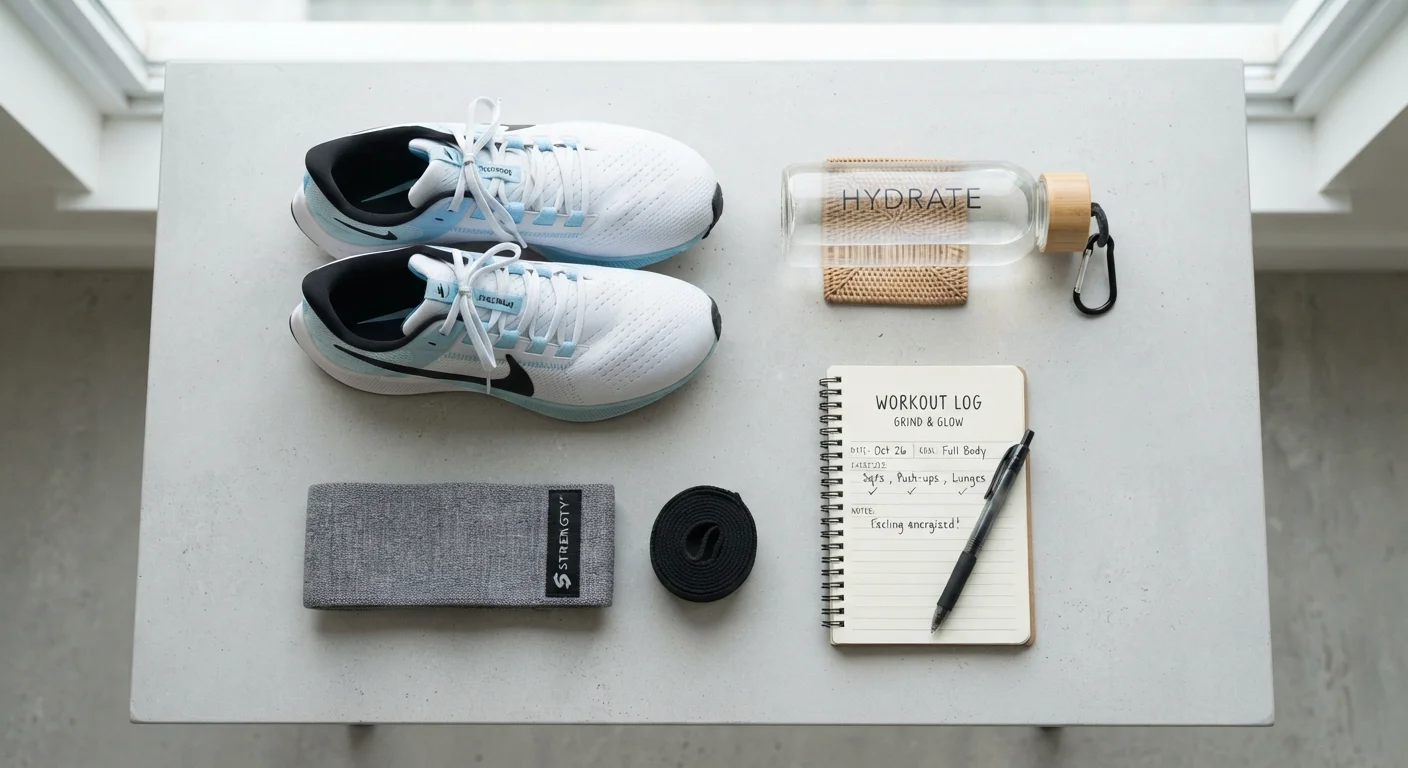
Before Your First Workout: What to Prepare, Check, and Expect
Use this checklist to walk into your first session ready — covering gear, hydration, warm-…

Body Weight vs. Free Weights vs. Machines: How the Three Compare
Each training format has different trade-offs for beginners. Here's an honest look at what…

Cardio vs. Strength Training: Understanding What Each Approach Builds
Cardio and strength training aren't rivals — but they do different things. See how each af…

Fitness Myths That Keep Beginners Second-Guessing Themselves
"No pain, no gain" and "cardio kills muscle" are just the start. We separate fitness folkl…
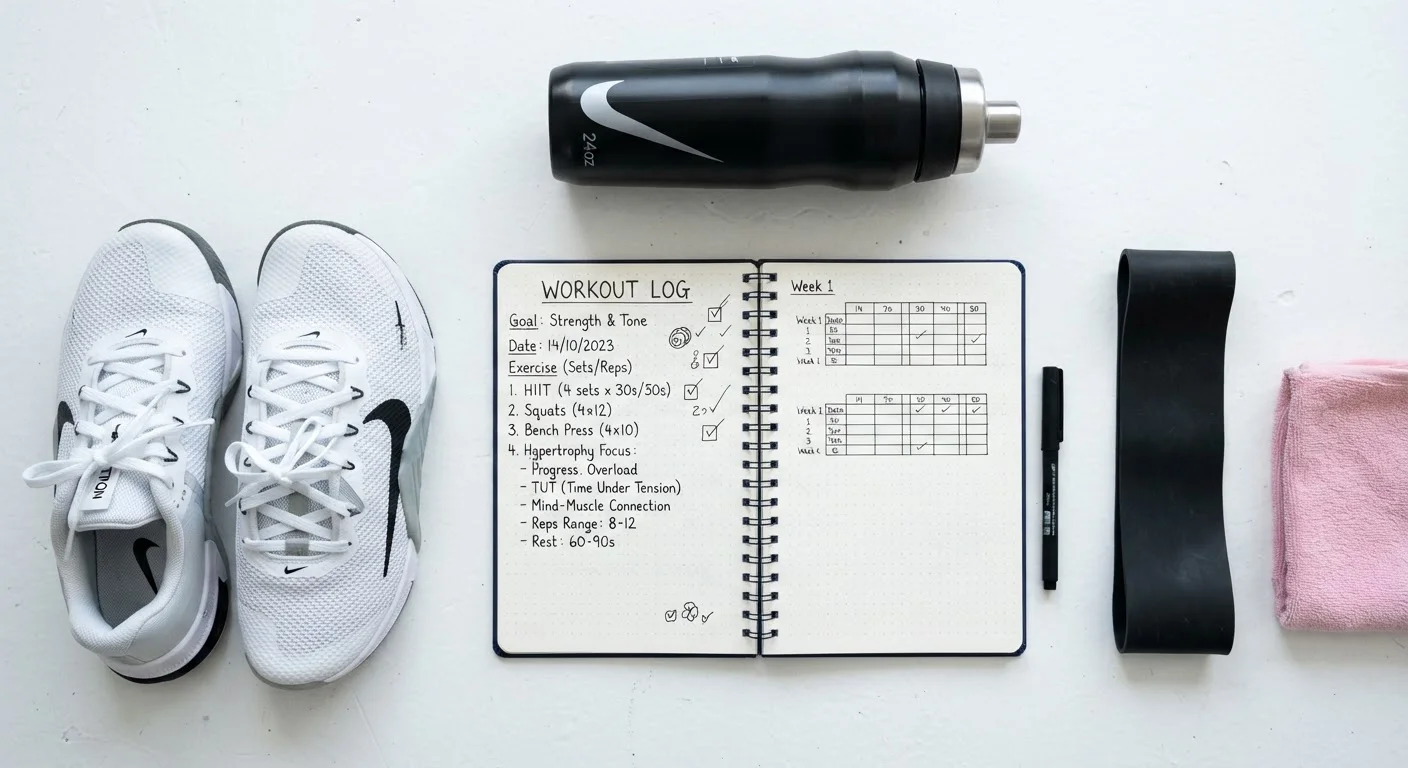
Fitness Terms Everyone Uses but Few People Actually Define
From "HIIT" to "hypertrophy" to "functional fitness" — a plain-language glossary of the te…

How Often You Should Exercise: What Frequency Research Actually Suggests
More isn't always better — and less isn't always inadequate. Here's what exercise science …

Progressive Overload: The Principle Behind Almost Every Training Program
Progressive overload is one of the most important concepts in fitness — and one of the lea…
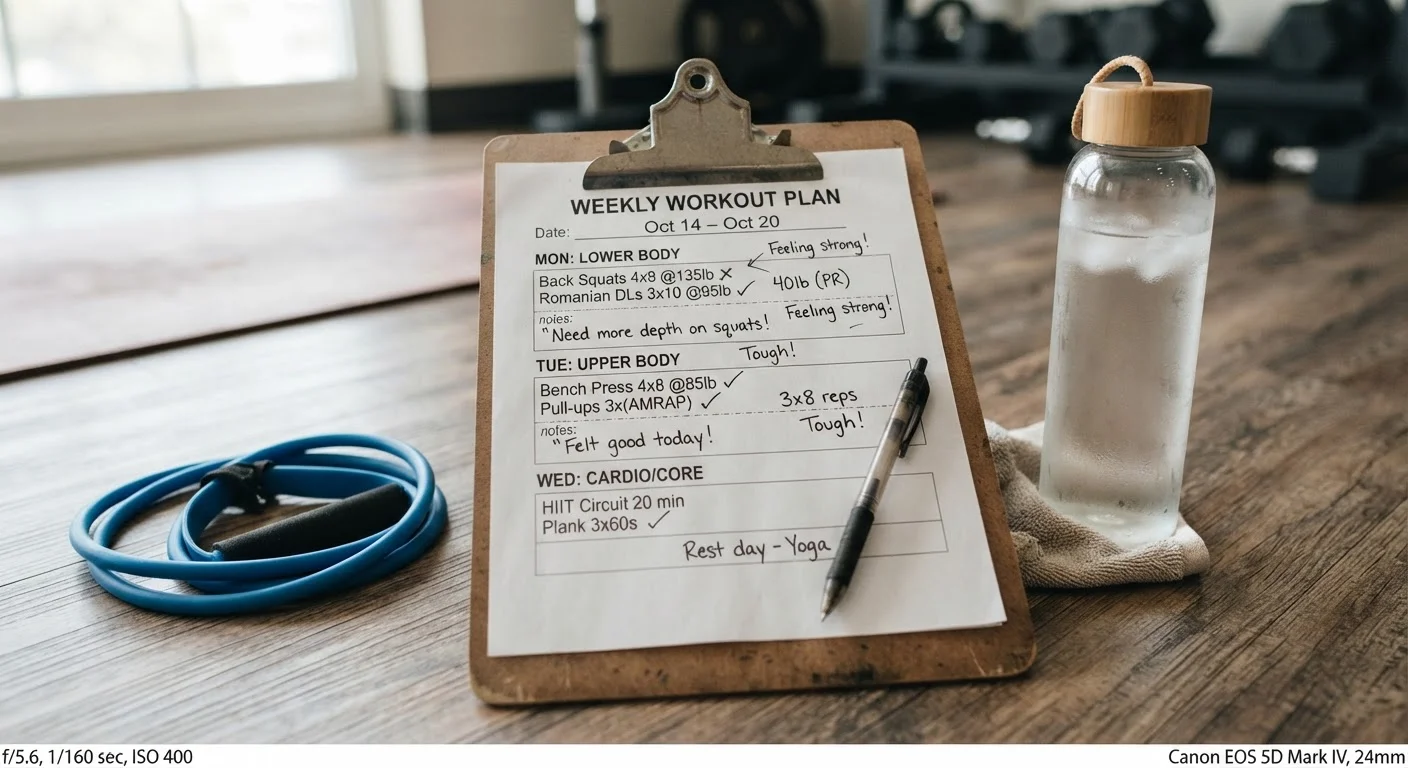
Reading a Workout Plan Without Getting Lost in the Jargon
Sets, reps, tempo, RPE — workout plans use a shorthand most beginners were never taught. T…

Starting a Workout Routine When You've Never Done It Before
A practical, low-pressure introduction to building a fitness habit from scratch — includin…

The Major Types of Exercise and What Each One Does for You
Cardio, strength, flexibility, balance — each type of movement serves a different purpose.…

The Role Form Plays in Exercise - and What Breaks Down When It Slips
Poor form is one of the most common sources of injury and stalled progress for beginners. …

Warming Up and Cooling Down: What's the Point and Does It Matter
Many people skip the warm-up and cool-down. Here's what those phases actually do for your …
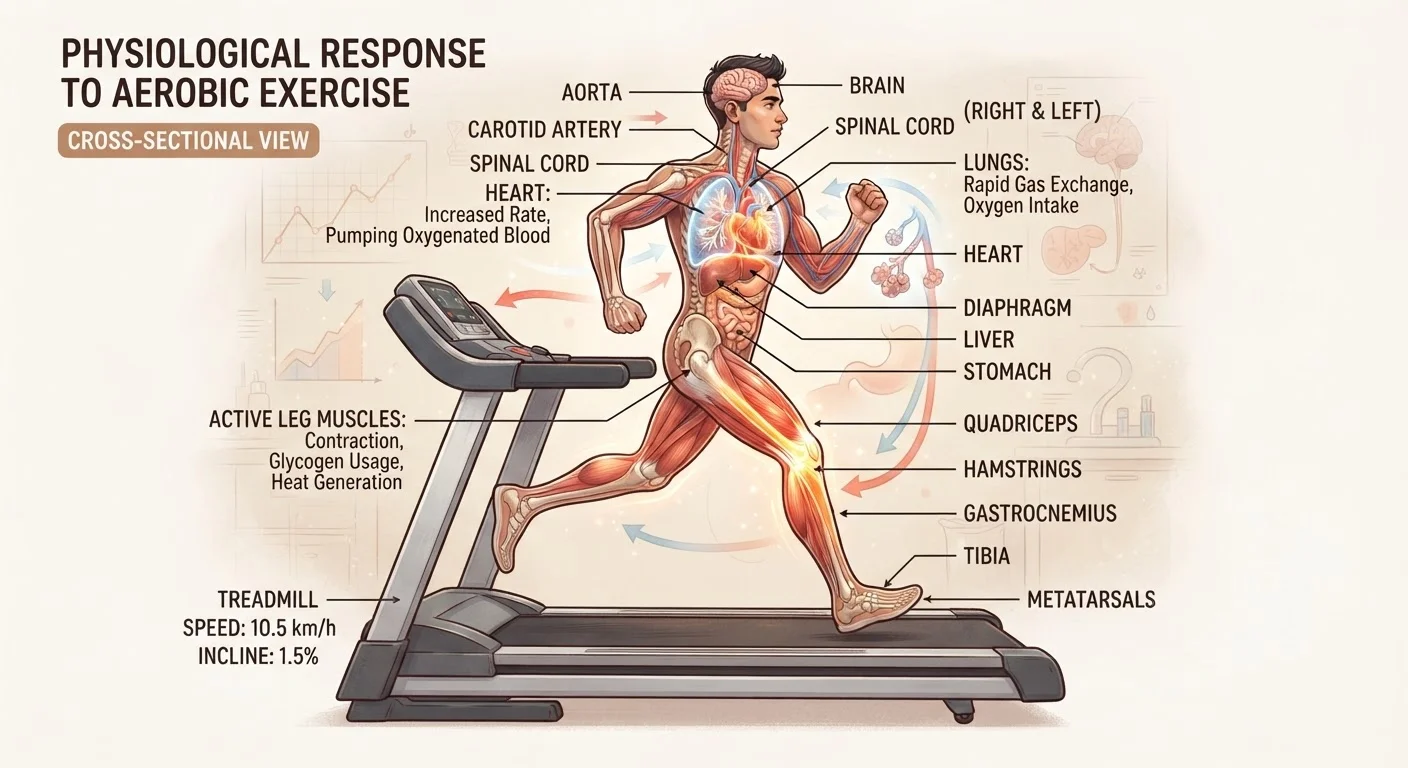
What Actually Happens to Your Body During Exercise
From your first rep to your cool-down, here's the science behind what your muscles, heart,…

Why Beginners Often Quit Early - and the Patterns Worth Recognizing
Dropping a new workout routine usually isn't about willpower. These are the common traps t…

Why Rest Days Are Part of the Work, Not a Break From It
Skipping recovery time can stall your progress. Here's the physiology behind rest days and…

Working Out at Home vs. at a Gym: What Changes and What Doesn't
Equipment access, motivation, cost, and flexibility all look different depending on where …

Building an Active Life Without a Gym Membership
A practical, gym-free framework for staying consistently active using the environments and…

Everyday Moments That Can Double as Movement Opportunities
Waiting, commuting, cooking, and phone calls all hide underused movement opportunities. He…

Everyday Movement From Head to Toe: A Complete Overview
From the mechanics of NEAT to habit design and long-term consistency — a comprehensive gui…

How Habit Stacking Turns Idle Time Into Active Time
Attaching movement to habits you already have is one of the most durable strategies for st…

Incorporating Movement Into a Work-From-Home Day
Remote work removes commute steps and natural office movement. This checklist helps you au…

Keeping Movement Consistent When Your Routine Shifts
Travel, schedule disruptions, and seasonal changes can unravel movement habits. These stra…

Movement Snacks: The Science Behind Short Bursts of Activity
Brief, frequent bouts of movement throughout the day may offer real health benefits. Learn…

NEAT: The Invisible Fitness Work Your Body Does Every Day
NEAT (Non-Exercise Activity Thermogenesis) accounts for more daily calorie burn than most …
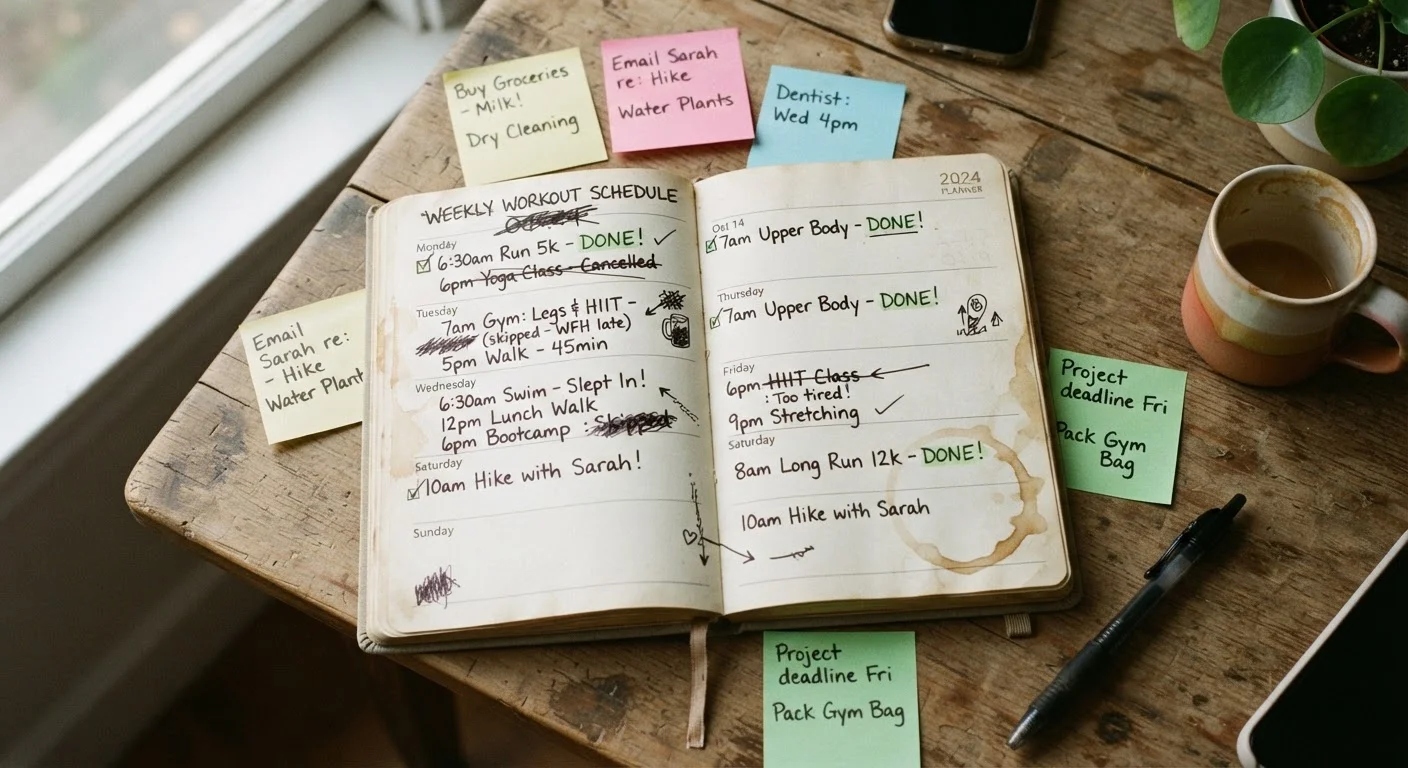
Reasons Your Active Intentions Don't Survive a Busy Week
Good intentions rarely survive friction. Explore the common patterns that derail everyday …

Sedentary vs. Lightly Active: What the Difference Actually Means for Your Health
The gap between sitting all day and moving a little more is wider than most people expect.…

Standing Desks vs. Sit-Stand Routines: Which Approach Serves You Better?
Standing all day has its own drawbacks. Compare the trade-offs between fixed standing desk…

Structured Exercise vs. Accumulated Daily Movement: Do You Need Both?
Formal workouts and incidental movement serve different roles. Here's a balanced look at w…

The Compounding Effect of Small Movement Habits Over Time
Individual movement habits seem trivial in isolation. This piece explains how they add up …

Walking More Without Rearranging Your Entire Schedule
Small route tweaks, errand habits, and commute adjustments that add thousands of steps to …
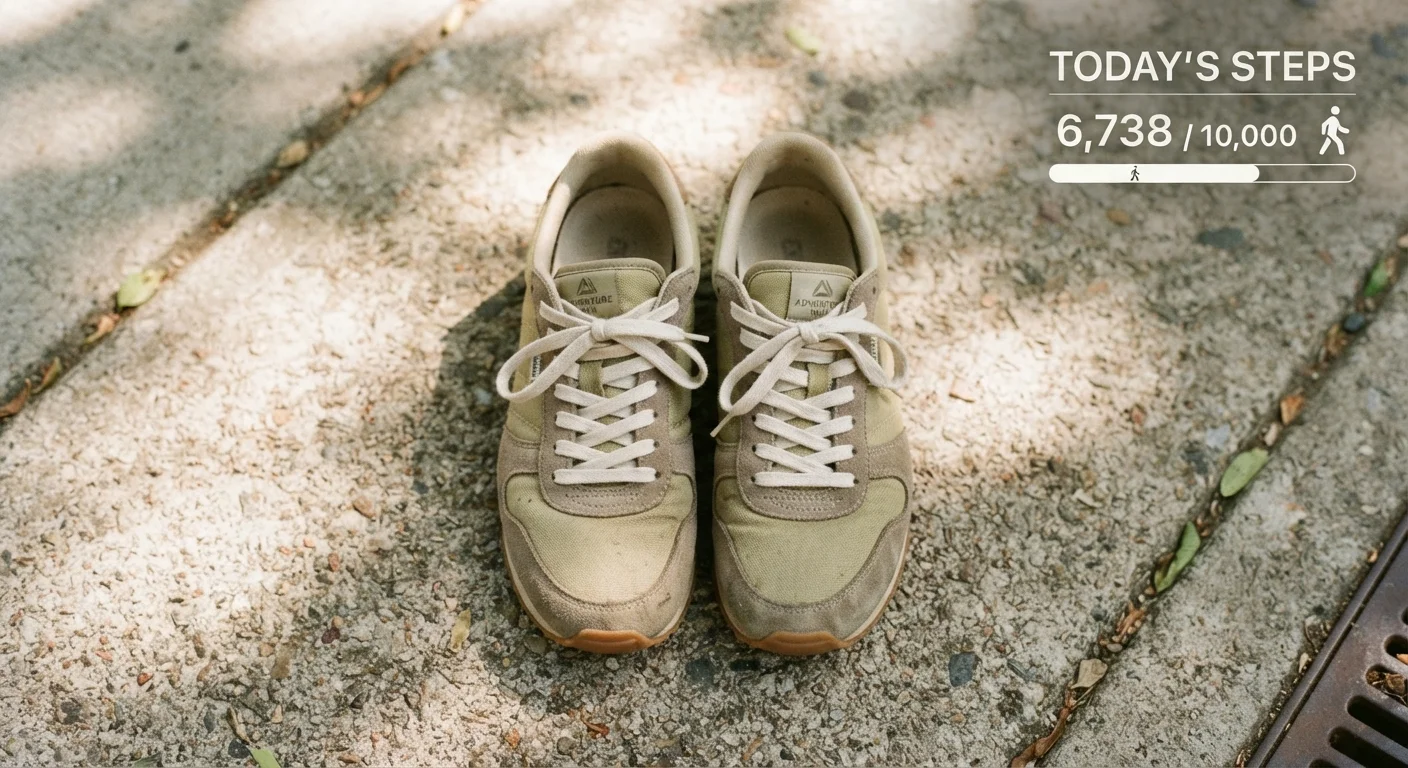
Why 10,000 Steps Isn't the Only Number Worth Knowing
The 10,000-step target has murky origins. Explore what current research suggests about dai…

Why Sitting After Meals Matters More Than Most People Think
Post-meal activity — even light walking — has been studied for its effects on blood glucos…

Active Recovery vs. Complete Rest: What Your Body Actually Needs Between Workouts
Light movement or full stillness? Understand when each approach supports recovery and how …

Building a Weekly Recovery Routine That Holds Up Alongside Your Workouts
A practical framework for weaving rest, sleep, and recovery practices into a fitness week …
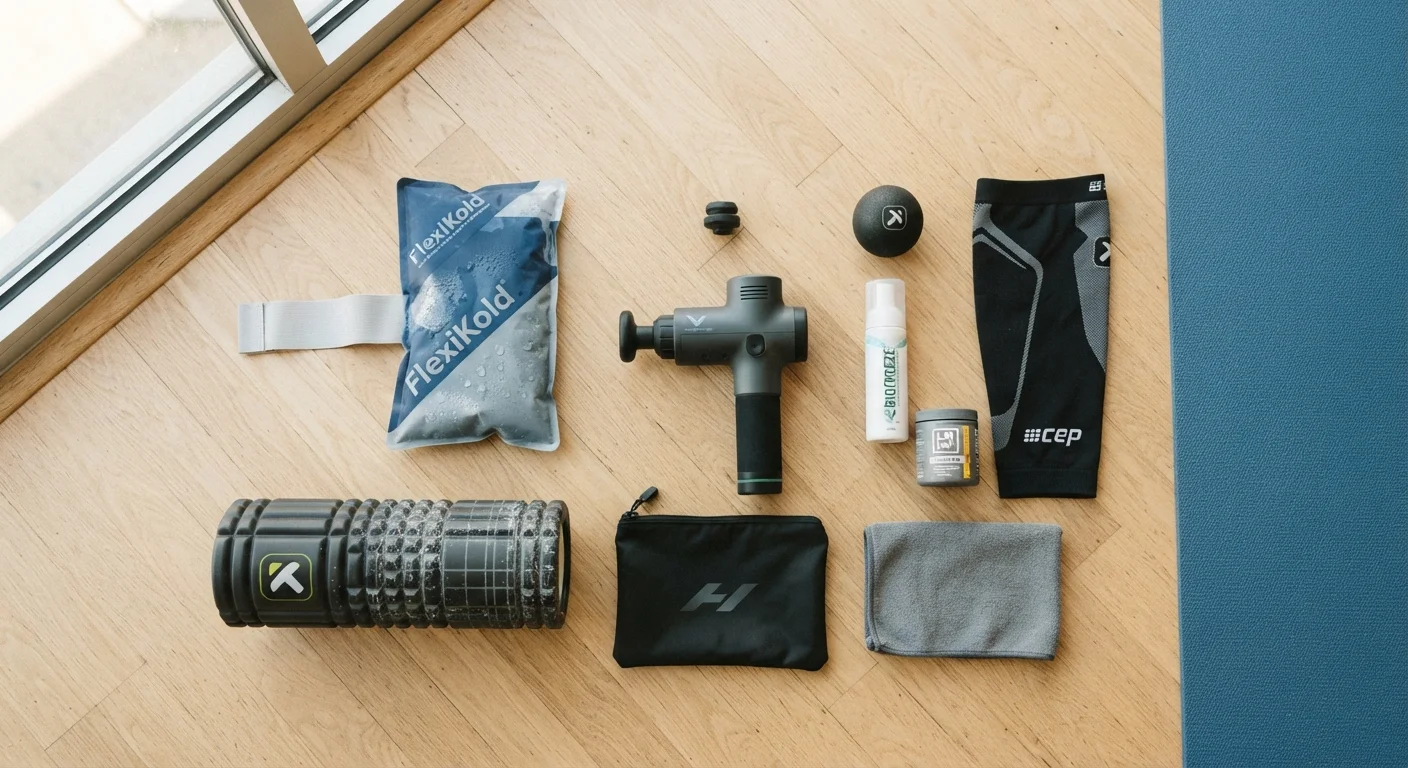
Cold Therapy, Foam Rolling, and Compression: Sorting Recovery Tools by Evidence
Ice baths, massage guns, compression sleeves — here's an honest look at what each does and…

Common Misconceptions About Rest That Hold Fitness Progress Back
From "soreness means results" to "sleep can be caught up on weekends" — debunking the reco…

Nutrition's Role in Recovery: What to Eat and When to Support Muscle Repair
Protein timing, carbohydrate replenishment, and hydration all influence how well you recov…

Overtraining Syndrome: How to Recognize When More Exercise Becomes a Problem
Fatigue, declining performance, and mood shifts can signal overtraining. Learn the warning…

Passive vs. Active Recovery: A Look at Both Sides of the Rest Spectrum
Each recovery style has genuine trade-offs. This balanced breakdown helps you decide which…

Recovery Across the Lifespan: How Rest Needs Shift From Your 20s Through Your 60s
Age changes how the body repairs itself after exercise. This guide covers how recovery exp…

Recovery for Beginners: Starting a Sustainable Rest Practice From Day One
New to structured fitness? Here's how to approach rest, sleep, and recovery from the start…

Signs You May Not Be Recovering Well Enough Between Sessions
Persistent soreness, poor sleep, and mood dips are often recovery signals. Here's how to r…

Sleep Stages Explained: Why Deep Sleep and REM Both Matter for Recovery
Not all sleep is equal. This breakdown explains what happens in each sleep stage and why d…

Sleep and Athletic Performance: What the Research Actually Shows
Sleep is one of the most evidence-backed recovery tools available. Here's what science say…

The Relationship Between Stress, Cortisol, and Why Rest Sometimes Isn't Restful
Chronic psychological stress can blunt physical recovery even when sleep hours look adequa…
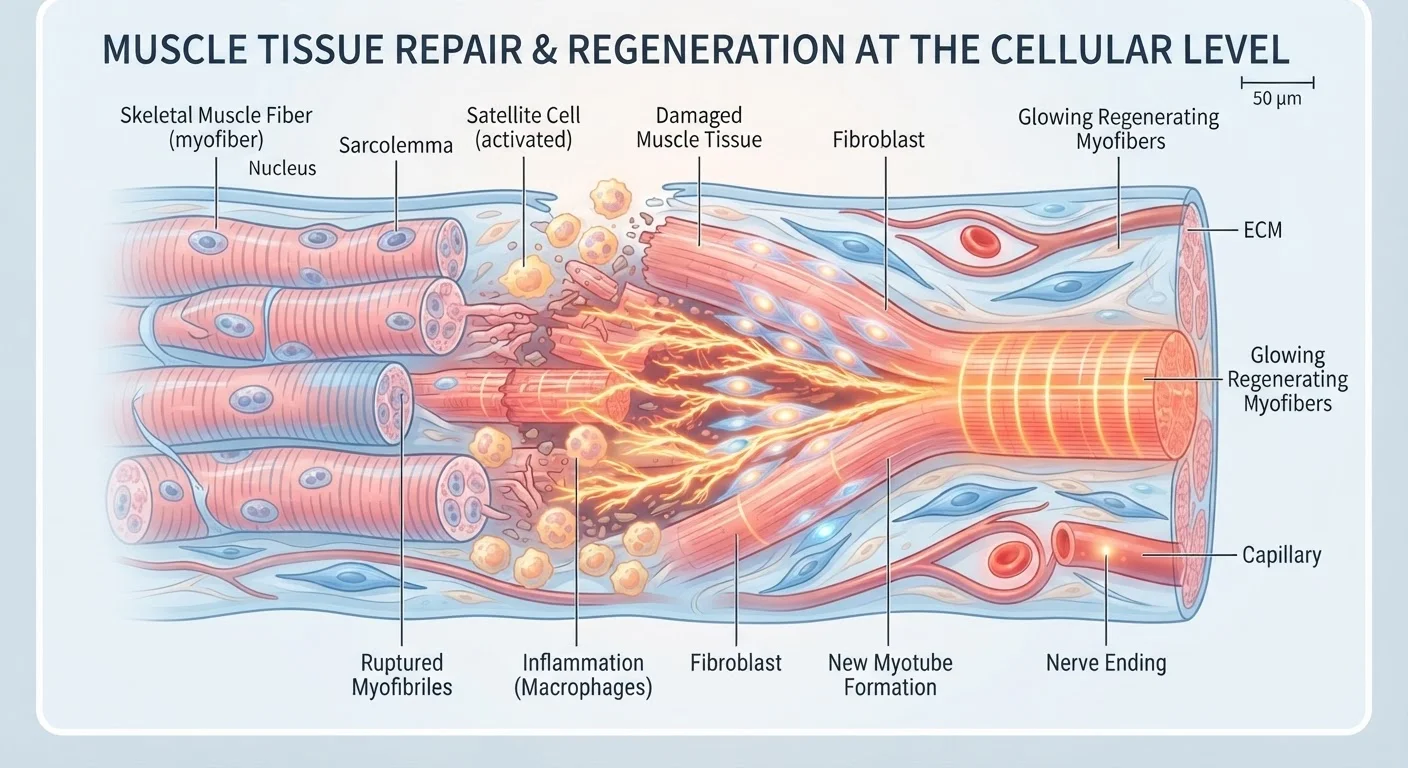
The Science of Muscle Repair: What Happens in Your Body After Exercise
From micro-tears to protein synthesis, here's a plain-language look at how muscles actuall…

Why High-Intensity Athletes Often Underestimate How Much Sleep They Need
Training harder raises sleep requirements, yet many athletes routinely cut it short. Here'…

Why Rest Days Are a Training Tool, Not a Break From Training
Rest days drive adaptation, not just recovery. Here's the physiology behind why scheduled …